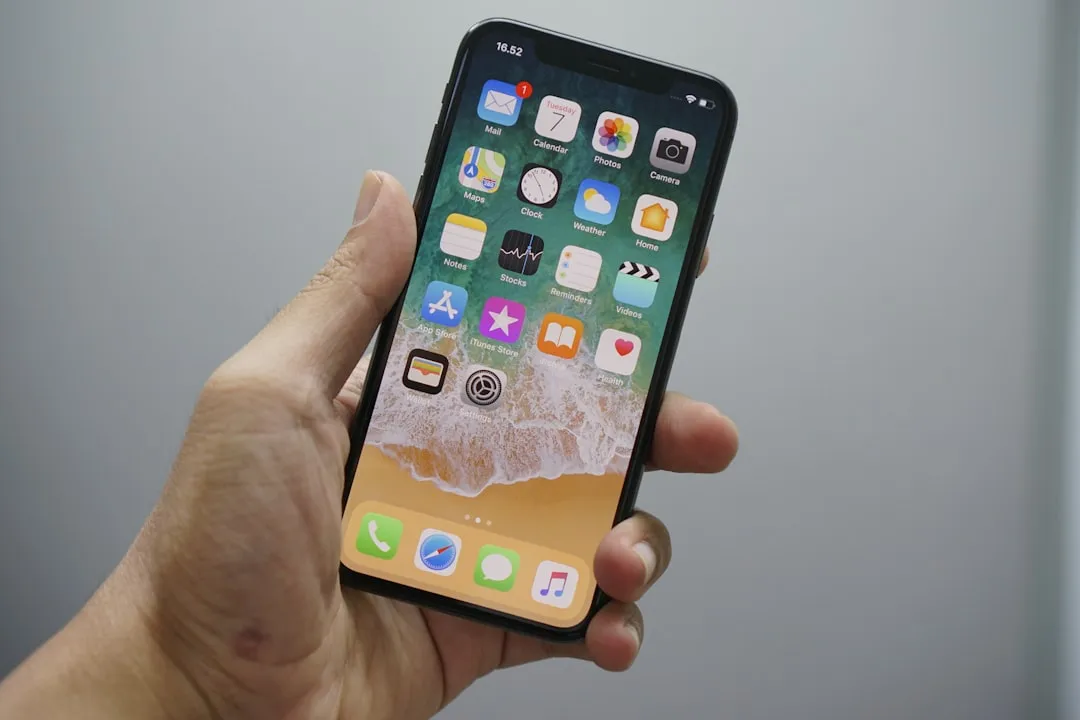
Your phone is getting slower and you don't know where to start? Full RAM is a major cause of crashes, self-closing apps, and a frustrating user experience. Fortunately, there are free apps that help you free up that memory effectively.
Many users make common mistakes when trying to optimize the performance of their devices, such as installing multiple cleaning applications simultaneously or relying solely on automatic tools.In this guide, you will learn how to identify which app is really needed, how to avoid common pitfalls, and what is the best approach to keep your phone running at high speed without harming the system.
How RAM Memory Overloads
RAM (random access memory) is responsible for keeping applications open and ready for instant use. When you open many apps, especially social networks and browsers, each of them consumes a portion of this memory. The operating system constantly needs to manage this space, and when RAM is 90% or 100% full, the phone starts to slow down because the processor works at an overload.
Background apps are the biggest culprits for this overhead, even when you are not using them directly. Sync services, push notifications, and automatic updates consume memory continuously.If you do not clean these processes periodically, RAM remains busy and the overall performance of the device degrades significantly.
Common Mistakes in Trying to Release Memory
The first mistake most make is installing multiple cleaning apps at the same time. This practice not only does not work as it should, but creates conflict between programs and consumes even more resources.Each optimization app tries to do the same thing, competing for processing and memory, which worsens the situation instead of improving. You should choose a single reliable app and make it your main optimization tool.
Another frequent mistake is to trust 100% automatic applications without understanding what is happening on your device. Some cleaning apps promote exaggerated results, such as "releasing 5GB of memory" instantly, which is physically impossible in many cases. You need to learn to identify which applications consume more resources and uninstall them if you really do not use them, because no app does it better than you decide yourself.
Clearing cache memory too much is also a common misconception.Cache stores information that apps need to run faster, so cleaning it excessively forces the system to recalculate everything again, slowing everything down. You should clear the cache only when storage space is actually compromised or when specific apps are bugged.
Recommended and Trusted Free Apps
Frutnix offers a clear analysis of which applications actually deliver results without harming the system. There are few truly useful apps in this category, and most of those you see with millions of downloads may not be the best choice. A good cleaning application should have a simple interface, should not ask for excessive permissions and should focus on removing only what really impairs performance.
Apps like CCleaner and Avast Cleanup are popular because they offer real functionality: cleaning temporary files, managing background apps, and removing duplicate files.But you don't necessarily have to pay for the premium version of any of them. The free version already performs the essential tasks to keep your phone optimized, as long as you use them correctly and sparingly.

Practical Method to Securely Release Memory
Start by investigating which apps consume the most RAM by accessing your device settings and looking for the "Memory Usage" or "Task Manager" section.You will see a full list of apps sorted by resource consumption. If you find programs that you don't recognize or that you rarely use consuming a lot of memory, this is the right time to uninstall. This manual approach is more efficient than any automatic app because you control exactly what is removed.
Once you identify the culprits, you can install a single reliable cleaning app to perform periodic maintenance. Use it once a week to remove temporary files and unnecessary cache, never daily. Set to clear only cache of non-essential apps and avoid cleaning data from important apps like banks, email or social networks, as this will cause synchronization problems. This weekly routine keeps your device in good condition without harming its functionality.
Alternatives Beyond Cleaning Apps
You can also free up memory without installing any additional applications using native features of your operating system. On Android, disabling animations in developers, reducing the amount of widgets on the home screen and turning off location services when you do not need them are effective techniques. These actions free processing and memory instantly, as well as significantly save battery.
Reviewing your app permissions is another powerful strategy that many neglect. Go to settings, select "Permissions" and remove unnecessary accesses like camera, location and contacts from apps that don't really need them. Apps with excessive permissions consume more resources and pose privacy risk. This process takes a few minutes but substantially improves the performance of your phone.
Avoid Security Traps when Using Optimization Apps
Do not download cleaning apps that promise miraculous results in sensational titles or that come loaded with intrusive ads. These often contain malware or are just monetization tools that make money showing advertising while pretending to optimize your phone. You should choose only apps with consistently high ratings, many verified downloads and well-known developers in the market.
Also beware of apps that ask for device administrator permissions or access to your Google account. They don't really need these privileges to clean temporary files, and requesting such permissions is a red flag.Always read the permissions requested before installing, and if something looks suspicious, look for reliable alternatives in independent security assessments before proceeding.
Continuous Maintenance to Avoid Future Problems
The best strategy is to prevent excessive data buildup from the start rather than always relying on emergency cleaning. Uninstall apps you haven't used in months, organize your files and photos regularly, and periodically review which apps are really needed on your device. This preventive approach dramatically reduces the need to use cleaning apps frequently.
Keep your operating system up to date as each new version brings memory and performance management improvements. Restart your phone at least once a week to clean up residual processes that accumulate during continuous use. These simple practices, combined with the occasional and correct use of a reliable cleaning app, ensure that your device stays fast and responsive over time.