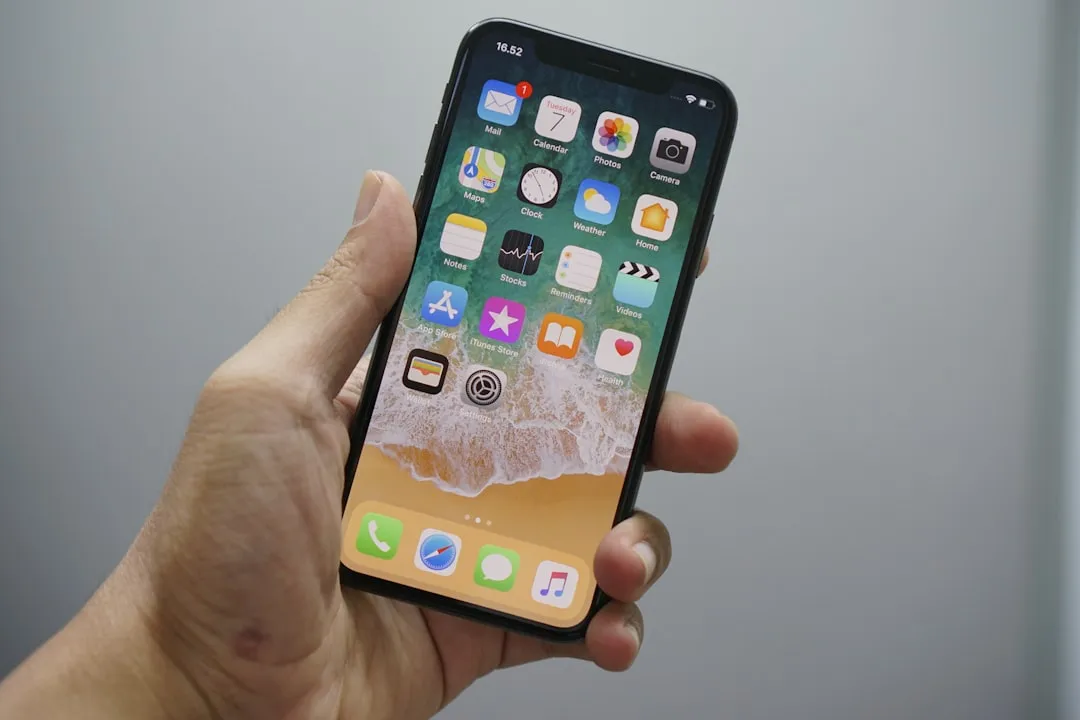
Your Android is slow and with little space available? You can solve this problem with some simple techniques that increase the performance of your mobile. In this article, you will learn how to optimize your Android device in a practical and effective way.

CCleaner – Phone Cleaner
Piriform
Optimizing Android is essential to keep your smartphone running smoothly.When storage space is limited, the operating system slows down, apps crash, and the battery drains faster.Understanding how to free up space on Android allows you to maximize your phone's performance and make better use of every available feature.
Why your Android is full and slow
The accumulation of unnecessary files is the main reason why your Android gets full.You download apps, take photos, download videos, and over time the device accumulates data that it no longer uses. In addition, many apps store cache and temporary files that take up valuable space without offering real benefit to the user.
When the internal storage is almost full, the Android system can not perform its basic functions efficiently. The processor works harder, the RAM memory becomes overloaded and you experience slowness when opening applications, browsing the internet or accessing your photos. This scenario intensifies when you install many applications at the same time, as each of them consumes resources from your device.
The lack of space also affects the battery of your phone significantly. When Android has little free space, it constantly works to manage existing files, consuming more energy than it should. As a result, you see the battery discharge faster, forcing you to charge the device frequently throughout the day.
Manual cleaning of files and applications
The most direct way to free up space on Android is by removing files and apps you don't use. Go to your device settings and go to the storage section to see how much space each app is consuming. You can uninstall programs you haven't used in months or that take up a lot of space, such as heavy games or duplicate apps.
In addition to uninstalling apps, you should also review your downloads and media files. Many users accumulate photos, videos and documents in the mobile phone gallery without ever reviewing them. Use your Android file manager to locate old folders, repeated screenshots or long videos that you do not need to keep. Deleting these files frees up space immediately and improves the overall performance of the device.
An important detail is to check the Downloads folder of your mobile. Many users forget that every downloaded file is stored in this folder, accumulating documents, APKs and various files that take up space unnecessarily. Clean this folder regularly, keeping only the files that really need to consult or use in the near future.
Clearing cache and temporary data
Caching is a storage system that keeps copies of data to speed up future access. Apps like social networks, browsers and streaming services cache a lot of data, hoping you access the same content again. Over time, this cache grows significantly and takes up precious space on your Android.
To clear the cache on Android, go to the settings, then apps and select each app individually. You will see the option to clear cache without losing important data like passwords or preferences. Many users notice a reduction of 500 MB to 2 GB of space just clearing the cache of their main apps. This is a safe process that does not affect the functionality of the programs and can be done regularly.
In addition to the individual cache, Android also accumulates temporary files of the operating system. In the storage section of the settings, you find the option to clean temporary files or system junk. This cleaning is especially important after Android updates, as the system leaves old files that no longer need to keep on the device.
Optimization of photos and videos
Photos and videos are the biggest consumers of space on Android. A single high-resolution photo occupies between 3 and 5 MB, and a video of a few minutes can reach hundreds of megabytes.If you take a lot of photos with your mobile, it is natural that this content quickly accumulates and fills your storage.
An effective strategy is to use cloud storage services like Google Photos or OneDrive to automatically backup your photos and videos. These services copy your files to the cloud, and then you can delete the originals from your phone. You keep access to content over the internet without taking up space in the internal storage of your Android. Google Photos, for example, offers unlimited storage in reduced quality, allowing you to free up space without losing your files.
Another approach is to review your photos regularly and keep only the best ones. Many users accumulate hundreds of similar photos, created by accident or during photo bursts.Dedicate time to delete blurry, duplicate or low-quality photos.This manual cleaning, done once a month, prevents the accumulation of photos from taking over your Android space.
Intelligent app uninstall and management
Unnecessary applications are one of the main responsible for the lack of space on Android. You may have installed programs that I use only once or that do not open for months. Access the settings, select applications and review the list of installed programs, paying attention to the size of each. Heavy mobile games often consume between 100 MB and 2 GB of space, being perfect candidates for uninstallation if you do not use them regularly.
In addition to uninstalling large applications, you should also consider lighter alternatives. Lite applications or web versions of popular services consume much less space than full applications. For example, Facebook Lite weighs less than 5 MB compared to the 100 MB+ of the main application. Using these alternatives allows you to maintain access to services while freeing up significant space on your Android.
A recommended habit is to review your applications every three months. Uninstall programs you no longer use and evaluate if all the applications you maintain are really necessary. Many users accumulate applications without realizing it and only notice the problem when storage becomes critical. Avoid this scenario by doing periodic reviews and keeping only the essentials on your device.
Practical benefits of optimizing your Android
When you optimize your Android freeing up space, the first visible change is the speed of the device. Apps open faster, navigation becomes more fluid and tasks that previously took a few seconds are now almost instantaneous. This performance gain occurs because the operating system has more resources available to perform priority functions without worrying about managing file that should not be there.
Battery life also improves significantly after optimizing Android. When the device is full, the processor constantly works trying to manage limited storage, draining the battery. After freeing up space, you will notice that your phone keeps the charge longer, allowing you to use the device all day without needing to charge frequently.
In addition, optimizing Android reduces technical issues such as crashes and unexpected restarts.Many users experience crashes that completely disappear after cleaning the device.An optimized Android also offers better experience when taking photos, as the camera works more fluidly and the storage has room to save new images without delays.
Tools and applications for automatic optimization
There are apps available in the Google Play Store that help you optimize Android automatically. These programs analyze your device, identify unnecessary files and offer cleaning options with a few taps. Apps like CCleaner, Avast Cleanup and Files by Google vate the space released and make it easy to maintain your phone.
Files by Google, developed by Google itself, is an excellent option because it is safe and does not contain intrusive advertising. The application analyzes your storage, finds duplicate files, old downloads and blurred photos automatically. You can review the proposed files for deletion before confirming, ensuring that nothing important is accidentally deleted.
Regardless of which app you choose, be careful of programs that promise miraculous results or ask for excessive permissions. Stay close to trusted tools developed by recognized companies.Use these apps as a help, but keep doing manual cleaning regularly to keep your Android in optimal condition.
Ongoing strategies to keep Android optimized
Keeping your Android optimized requires a continuous approach.Dedicate a few minutes a week to review downloaded files, delete old photos, and uninstall unused apps.This habit prevents the accumulation of digital junk and keeps your device running smoothly.The less you wait to do cleaning, the easier the process and the less space you needlessly lose.
Another strategy is to set up your applications to use cloud storage instead of local storage.Google Drive, OneDrive and Dropbox automatically sync your important files, allowing you to keep only local copies when needed.This system provides additional security against data loss and frees up space on your Android without sacrificing access to important content.
Finally, when installing new applications, check their size before confirming the installation. Many users do not pay attention to this detail and end up downloading very heavy programs. Knowing the size in advance, you can decide whether it is worth installing or if there is a lighter alternative available. This preventive practice saves space in the long run and prevents your Android from getting full again.