
Automotive diagnostic technology has come into your hands with modern apps that read your car's error codes in seconds.You no longer have to pay hundreds of dollars at a mechanic just to know what's going on with your vehicle, as these digital scanners decode complex information in a simple and affordable way.
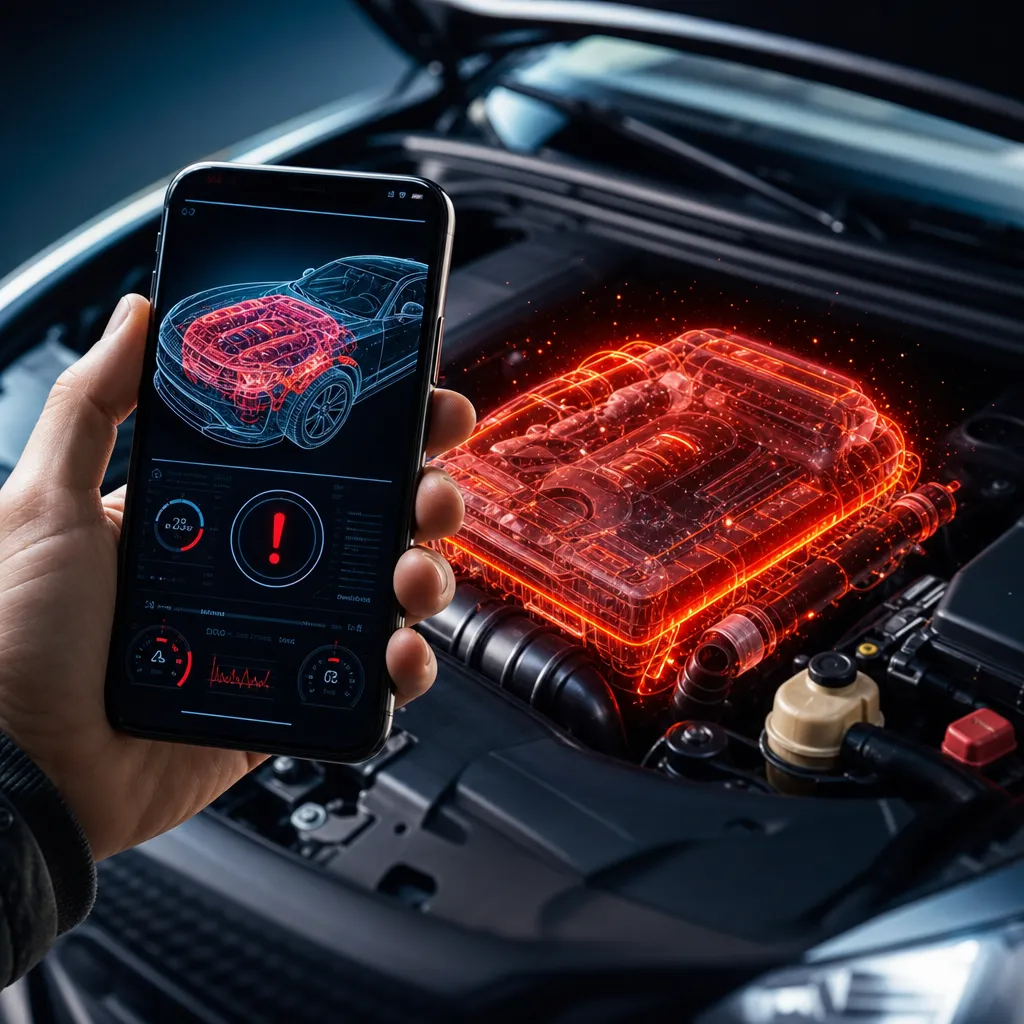
These apps work by connecting to your car's OBD-II (On-Board Diagnostics) port via a Bluetooth or WiFi adapter, capturing real-time data on engine performance, emissions and ancillary systems.The process is fast, non-invasive and you receive a detailed report on the overall condition of your car in a few minutes.
How Modern Automotive Scanners Work
A car scanner operates through a standardized communication protocol that every vehicle manufactured after 1996 has. When you connect the device to the OBD-II port and open the application on your smartphone, the tool establishes a direct connection to the engine control unit, requesting information about sensors, actuators and emission systems. The app then translates these technical codes into understandable language, alerting you to real problems or just about routine maintenance warnings.
Most applications offer automatic interpretation of DTC (Diagnostic Trouble Code) codes, which are globally standardized sequences. For example, a P0420 code always refers to a problem in the catalytic converter, regardless of the brand of the car. This standardization ensures that the diagnosis is reliable and you can research the problem in a safe and informed manner before seeking a professional.
Advanced Strategies to Maximize the Use of Technology
To get the most out of an automotive scanner, you should create a reading history of your vehicle by recording data regularly at monthly or quarterly intervals. This practice allows you to identify dangerous trends before they turn into serious failures, functioning as an early warning system for developing problems.Many advanced applications store these records in the cloud, allowing comparative analysis and degradation charts that reveal invisible patterns in isolated readings.
Optimization also involves understanding the different categories of code that appear on the screen. You must distinguish between critical codes that require immediate stop, moderate codes that allow you to run a few kilometers carefully and informative warnings that indicate only that maintenance is close. A code P0141 (oxygen sensor failure), for example, will not leave you unable to drive, but will indicate higher fuel consumption and higher emission of pollutants. Already a code P0501 (problem in engine speed) requires more urgent attention.
Choosing the Best Adapter and App for Your Profile
The market offers adapters with different levels of sophistication, from basic models that only read and delete codes to premium devices with continuous data analysis. You should choose the adapter considering the protocol used by your car: american vehicles often use CAN, European prefer KWP2000 and Japanese can use ISO. An adapter compatible with multiple protocols ensures versatility if you have more than one vehicle or need to make diagnostics on cars of friends and family.
Applications also vary significantly in features and accuracy, with the most advanced platforms offering real-time parameter reading, actuator testing, fault simulation, and even personalized recommendations based on your car history.Some solutions include integration with automotive forum databases, showing you what the most common solution is for that specific code in your model and exact year of vehicle. Investing in a paid app often provides technical support and frequent updates that improve coverage of new car models.
Practical Optimizations for More Accurate Diagnosis
To get more accurate readings, you should turn off all electronic accessories of the car before performing the diagnosis, preventing air conditioning systems, power windows or even the cell phone charger from interfering with the measurements.The engine should be at normal operating temperature, as sensors can have anomalous behavior when too cold or too hot, leading to false positives.In addition, run multiple consecutive readings to ensure that a code does not arise only by momentary interference.
When a code disappears alone between readings, this usually indicates an intermittent problem that is not fully developed, but that requires special attention because it can evolve quickly. You must document these occurrences and mention the pattern to the mechanic, in case you eventually need to take the car to a professional. This information adds credibility to your diagnosis and helps the mechanic investigate less obvious causes, saving time and money on repair.
Limitations You Should Know About These Apps
A car scanner can identify that there is a problem, but it cannot fully diagnose the root cause in many cases. A wrong motor code can originate from a faulty sensor, damaged wiring, loose connectors or even a problem in the control module itself. The application only recognizes that the system has detected an anomaly, it is up to you or a professional mechanic to investigate the specific cause through additional testing and physical inspection.
You should also be aware that auxiliary systems such as automatic transmission, ABS brakes and airbags have their own control units, and not all applications are able to access all these systems. A good quality scanner accesses as much as possible, but will not always provide as detailed information as a professional equipment found in dealerships and specialized workshops. For transmission problems or critical safety systems, a complementary professional diagnosis may still be necessary.
Keeping Your Car Healthy with Continuous Monitoring
The real advantage of owning a personal scanner lies in the ability to proactively monitor the health of your vehicle by running regular readings even when no obvious problem is evident. You can identify when fuel consumption worsens abnormally, when engine power decreases or when emissions increase, all indicators of problems in development. This preventive approach saves you money by avoiding expensive and extensive repairs, as you can solve small problems before they cascade to other systems.
Periodic reading also provides psychological reassurance when you are considering buying a used car, as you can make an independent diagnosis without relying solely on the information provided by the seller.This technical knowledge puts you in a much stronger negotiating position, allowing you to argue with hard data about the actual state of the vehicle rather than speculating on its maintenance history.
Integrating Scanner with Other Diagnostic Tools
For an even more robust approach, you can combine the application scanner with other affordable tools like a digital multimeter for testing electrical circuits, a battery tester for monitoring accumulator health, and even a pressure gauge for fuel and air systems.This integrated approach provides a complete picture of how your car works, allowing for more reliable diagnostics and informed decisions about when to actually seek out a professional mechanic.Many car enthusiasts build portable kits with these tools for quick diagnosis on the go.
The combination of scanner data with physical symptoms observed by you makes the diagnosis much more accurate and credible. If the application shows a faulty oxygen sensor code and you simultaneously notice that the car consumes more fuel than normal and releases a darker smoke from the exhaust, these converging factors confirm the problem. You arrive at the mechanic with structured and reliable information, unlike just complaining that the car "is not okay".