You've probably heard about apps that promise to diagnose problems in your car just by pointing your smartphone at it. But do these tools really work as they promise?In this article, we'll separate the myths from the truths about car scanners apps.

Car Scanner ELM OBD2
CAR SCANNER LLC
The automotive technology market has grown exponentially in recent years, and many developers have created solutions that sell themselves as diagnostic miracles.The reality, however, is more nuanced and deserves careful analysis so that you do not waste your time or money with applications that do not deliver real results.Let's explore how these apps work, what they really can do and what is just marketing.
What is a Car Scanner App and How It Works
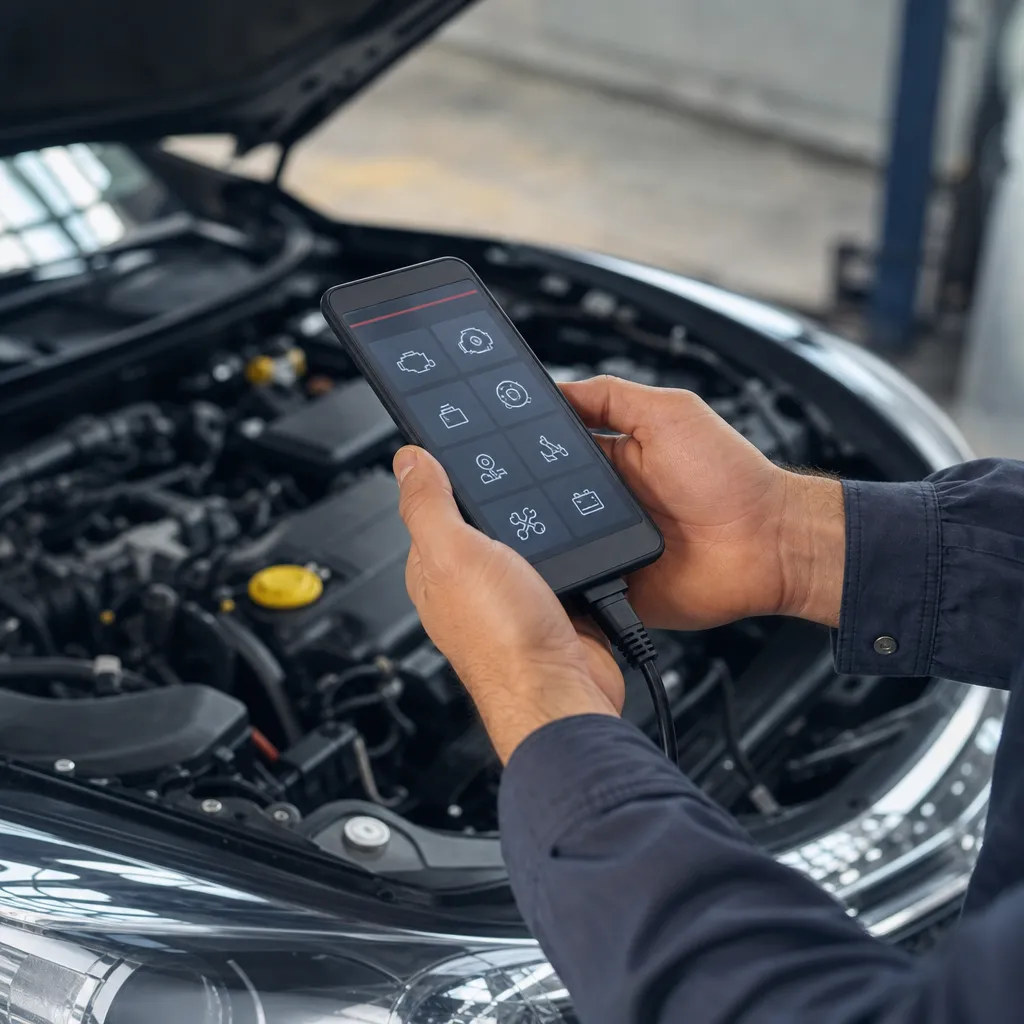
A car scanner app is a mobile application that connects to the diagnostic port of your vehicle, usually through a Bluetooth or Wi-Fi adapter. This adapter translates the error codes generated by the car's on-board computer into readable information that appears on the screen of your smartphone. The technology uses the OBD-II (On-Board Diagnostic) protocol, an international standard present in virtually all vehicles manufactured after 1996.
The basic operation is simple: the app sends a request to the vehicle computer, which responds with data on engine performance, transmission, emissions system and other components. These data are then organized by the application in a format that you can understand, showing error codes, fuel consumption, engine temperature and several other metrics. The quality of this translation and interpretation varies significantly between the different apps available on the market.
Myth: Every App Scanner Replaces the Go to Mechanic
This is perhaps the most dangerous and most propagated myth.Many car scanner apps create the false impression that you can diagnose and solve any mechanical problem just by installing the application on your phone.The truth is that these apps can read only the error codes stored on the vehicle computer, which represents only a fraction of the complete diagnosis that a professional mechanic would make. An error code such as P0300, for example, indicates that there is a random misfire, but does not say whether the problem is in the spark plug, coil, fuel or oxygen sensor.
A qualified mechanic uses the scanner as an initial tool, but complements with physical tests, visual inspection, multimeter measurements and accumulated technical knowledge about fault patterns.You cannot replicate this expertise just by typing on your smartphone.The scanner app is a useful initial diagnostic tool, but should never replace the evaluation of a professional when there are significant problems in the vehicle.
Truth: Apps Scanners Serve for Basic Monitoring
While replacing the mechanic is a myth, using an app scanner for basic monitoring of your vehicle is absolutely true and quite practical. You can track real-time data such as fuel consumption, speed, engine speed, cooling system temperature and even turbo pressure if your car has this feature. These data can help you identify patterns of overconsumption or changes in performance that indicate need for preventive maintenance.
In addition, the scanner app is excellent for checking whether a warning light on the dashboard is related to something really serious or just a dirty sensor. How often have you not been frightened by the light from the "check engine" on, thinking that you need to spend a fortune on repair? With a scanner app, you can quickly find out if it is something simple like a loose fuel cap or if it really requires professional attention. For continuous monitoring of the health of your vehicle, these apps are valuable and affordable tools.
Myth: An App Scanner Solves Any Modern Car Problem
Modern cars have increasingly complex and integrated electronic systems. Some car scanner apps sell the idea that they can solve any problem of a contemporary vehicle, from transmission problems to failures in the intelligent suspension system.The reality is that most apps can only read basic engine and emission system data, which are the simplest and most standardized data according to the OBD-II standard.
More advanced systems such as adaptive suspension, integrated traction control, electronic power steering systems and multi-change automatic transmissions require specialized diagnostics with proprietary equipment from the manufacturer. A generic scanner app cannot access or modify these systems. Manufacturers such as BMW, Mercedes and Audi use their own diagnostic protocol, different from the OBD-II standard, making generic apps virtually useless for troubleshooting these luxury vehicles.
Truth: Apps Scanners Help Save Money on Diagnostics
A proven truth is that scanners apps can significantly save you money you would spend on paid diagnostics in workshops. Since most scanners app costs between five and fifty dollars (or some are even free), you avoid spending fifty to two hundred dollars on diagnosis in a professional workshop when the problem is simple. If your scanner app shows that the error code is related to an oxygen sensor, you already know exactly what to talk to the mechanic and can even search parts in cheaper stores before taking the car to the professional.
This savings multiply over time, especially if you keep the car monitored regularly.You can identify problems in early stages, preventing small failures from evolving into major repairs. A car that is monitored frequently through an app scanner is less likely to present costly surprises at the time of repair, as problems are identified and treated when they are still small and affordable.
Myth: Any Marketplace App Scanner Works Equally Well
There are a huge number of scanners available in the app stores, and many users fall into the trap of thinking that they all work the same. The quality varies dramatically between the different apps available. Some have outdated interfaces, infrequent updates that make the app incompatible with newer operating systems and databases of incomplete or outdated error codes. Other apps are full of invasive advertisements that impair the user experience and make it difficult to read diagnostic information.
The best car scanners are those that keep constant updating, have an active community of users, offer responsive technical support and utilize a robust error code database with detailed descriptions.In addition, compatibility with different vehicle makes and models varies. An app that works perfectly on a Fiat can have limitations on a Honda or Toyota. Search well before choosing, read reviews from real users and test the free version before purchasing any premium version is essential to not waste money.
Truth: Apps Scanners Work Better with Good Quality Adapters
An often overlooked fact is that the quality of the OBD-II adapter used is just as important as the quality of the app itself. The adapter is the middleman that connects your smartphone to the car computer, and if it is of inferior quality, the data transmitted to the app may be inaccurate or incomplete. Cheap adapters often have unstable connection problems, random disconnections during diagnosis, and may even damage your vehicle's electronic system if they are built with improper components.
Investing in a recognized quality OBD-II adapter, even if it costs more than some apps, is a smart decision in the long run. Adapters from established brands like Vgate, BlueDriver and original ELM327 offer better connection stability, wider compatibility with different car models and superior durability. The best scanner app in the world cannot function properly if it is connected to a low quality adapter, so it is important not to skimp on this specific part of the diagnostic tool.
Myth: Apps Scanners Can Identify All Car Electronic Problems
Some apps sell the promise that they can diagnose any electronic problem in your vehicle and offer repair recommendations. Although the scanners are useful for electronic problems related to the engine, transmission and emissions, there are many modern electronic systems that are not accessible through the standard OBD-II. Problems with airbags, security systems, parking cameras, rain sensors, intelligent air conditioning systems and even electronic door locks can have flaws that do not appear in the error codes read by an app.
These systems have their own separate internal communication networks, called specialized CAN-bus, which require specific diagnostic equipment to be accessed. A generic scanner app simply cannot "see" these problems, so if your car experiences a failure in any of these systems, the app will not help at all. It is important to have realistic expectations about the scope of diagnosis that an app scanner can cover, avoiding disappointment when it fails to solve a complex problem you are facing.
Truth: Apps Scanners are Great for Reading DTC Error Codes
An indisputable truth is that scanners work extraordinarily well to read, interpret and clear DTC (Diagnostic Trouble Code) error codes stored on your car's computer. These codes are standardized identifiers that indicate that something unusual happened to the vehicle. When a warning light comes on the dashboard, it is because a DTC code has been generated and stored in the computer's memory. An app scanner can access these codes and provide information about what they mean.
The ability to clean up these error codes is particularly useful when you want to check if the problem has actually been solved after a repair. You can erase the error code and drive the car for a few days to observe if the light comes back on. If it does not come back, the problem has been solved. If you go back, you know that there is still something wrong that needs to investigate. This functionality makes the scanner app an indispensable tool for anyone who wants to keep track of the health of their vehicle and follow up repairs carried out in workshops.
Myth: You Need Advanced Technical Knowledge to Use an App Scanner
Many people avoid trying out car scanners because they believe they need advanced technical knowledge to use them. The truth is that the best scanners on the market are designed with intuitive interfaces that anyone can use, regardless of their technical knowledge about cars. Most require only a few simple steps: connect the adapter to the OBD-II port of the car, pair with the smartphone via Bluetooth or Wi-Fi and open the app to start reading the diagnostic information.
Interpretations of error codes are also presented in simple language, often with descriptions of what each code means and suggestions for next steps. Better apps even offer educational recommendations on how to keep your car running smoothly. If you can install an application on your smartphone and browse social networks, you can definitely use a car scanner app without any difficulty. The democratization of this technology means that any car owner can access information that, until a few years ago, was only available to professional mechanics.
Truth: Apps Scanners Help Identify Preventive Maintenance Problems
A significant and often underestimated benefit of scanners is their utility for preventive maintenance. By monitoring data such as battery voltage, cooling system temperature and sensor readings, you can identify trends that indicate that maintenance will be needed soon. For example, if you notice that the battery voltage is gradually decreasing over weeks, you can change the battery before it completely fails and leave you on hand in an inconvenient location.
Similarly, observing engine temperature during periods of heavy traffic can alert you to cooling system problems before the engine overheats and suffers damage.These small adjustments and preventive repairs, when done early, are dramatically cheaper than emergency repairs.A scanner app you consult regularly functions as a personal maintenance assistant, helping you keep the car running more efficiently, safely and cost-effectively throughout its life.
Myth: Apps Scanners Can Boost Your Car Performance
You may have found apps that promise to increase engine power, improve fuel consumption or even increase top speed only through adjustments made remotely. This is a dangerous myth that can seriously harm your vehicle. While some apps can read the car's computer parameters, the vast majority do not have permission or ability to reprogram the on-board computer to change engine operation. Trying to force these changes without proper equipment can cause permanent damage to the engine.
In addition, many modern cars have protection systems that prevent unauthorized changes in engine parameters. If an app could actually make these changes, it would guaranteed to violate the vehicle warranty and could leave you ineligible for warranty repairs.For true safe and reliable performance modifications, you need to work with tuning experts who use appropriate equipment and understand the consequences of the changes they are making.
Truth: Apps Scanners Are Automotive Education Tools
One often overlooked positive aspect is the educational value an app scanner offers. When you regularly use an app scanner, you start to learn more about how your car works, what each sensor does, what the normal operation of different systems is, and how to recognize when something is out of the standard. This education is valuable for any car owner, helping to make better decisions about maintenance and repairs.
Many apps provide detailed explanations of what each error code means, providing valuable learning opportunities.You begin to understand the difference between a serious problem that requires immediate attention and a minor problem that can wait for the next scheduled maintenance.This understanding increases your autonomy as a car owner, reduces the possibility of being fooled by rogue mechanics and helps you make more informed decisions about the future of your vehicle.
Choosing the Right App Scanner For You
When you decide you want to take advantage of the technology of the scanners apps, it is important to choose the one that best suits your needs and expectations. First, consider what your main goal is: do you just want to monitor the basic health of the car, or do you need more detailed information about specific systems? Casual users who just want to check error codes occasionally can be satisfied with simple free apps, while car enthusiasts who want continuous real-time monitoring can benefit from premium versions with more features.
Second, research compatibility with your specific vehicle. Not all apps work equally well with all makes and models. Read reviews from other owners of the same car to see if the app works properly before investing money. Third, consider the OBD-II adapter you will use. If you already have one, make sure the app is compatible with it. If you are going to buy a new one, look for established brands with good reputation. Finally, test the free or trial version of the app before purchasing any premium version to ensure that the user experience is satisfactory to you.
Important Limitations of a Car Scanner App
It is crucial to understand that scanners have serious limitations that need to be recognized. First, they can only read data that the car's computer is transmitting. If a problem exists but the computer has not yet generated a stored error code, the app will not be able to detect it. A sensor may be working incorrectly without having yet crossed the threshold that generates a DTC code. Second, apps cannot perform load tests, pressure tests, electrical resistance measurements or any other form of practical testing that a qualified mechanic would do with appropriate instruments.
Third, interpreting what an error code means actually requires knowledge of the specific context of your car and the situation in which the code was generated. The same code can have different root causes in different cars or in the same faults manifested in different ways. An app scanner cannot do this kind of in-depth contextual reasoning that an experienced mechanic would do. Understanding these limitations helps to establish realistic expectations and avoids frustration when the app fails to solve a problem you hoped it would solve.