Virtual assistants with artificial intelligence have revolutionized the way you interact with mobile, but not everything you hear about this technology is true, and many myths can prevent you from harnessing its full potential.
In this article, we will unravel the main myths and truths about voice AI assistants that solve tasks on your mobile device. You will find out what really works, what limitations exist and how this technology can transform your daily routine.
Myth 1: Voice Assistants Perfectly Understand Any Command
Many users believe that it is enough to speak naturally so that the AI assistant performs any task smoothly. In reality, these systems work best when you use objective phrases and avoid very complex expressions. Voice recognition has improved significantly, but accents, background noises and rapid pronunciation still cause occasional errors.
The truth is that you get better results when you command clearly, pausing between words and using direct terms. For example, "send message to John saying I'll be late" works better than "could you send a message to my colleague there?". The more specific you are, the more precisely the assistant will complete the task.
Truth: Vocal Assistants Really Save Time on Routine Tasks
This is no myth: voice-enabled artificial intelligence assistants make you gain precious minutes every day.You can set reminders, send messages, make calls, and control apps while driving, cooking, or doing other activities.A recent survey shows that users save on average 2 hours a week using voice commands instead of typing manually.
In practice, when you are busy hands, the assistant becomes indispensable. You dictate an email while getting ready to leave, schedule a meeting without pausing work and confirm your schedule of the day just talking. These small time savings accumulate and transform your productivity.
Myth 2: Vocal Assistants Absolutely Solve All Mobile Tasks
There is a belief that you can control any mobile app or function with voice alone, but this is not completely true. AI assistants work best with predefined tasks like sending messages, making calls, controlling music, and adjusting basic settings.Many specific apps still do not integrate full support for voice commands.
Limitations appear when you try to use the wizard with lesser-known applications or when you need to navigate complex screens with multiple options. You will be able to open WhatsApp by voice, but you will not be able to search for a specific contact in a custom database application simply by speaking. The wizard works within the functionalities that have been explicitly configured for it.
Truth: Privacy and Security Are Real Issues, Not Paranoia
When it comes to privacy, you're right to worry. Voice assistants actually store data about your commands, preferences, and sometimes audio recordings, depending on settings. Large technology companies use this information to improve their services and, in some cases, for targeted advertising.This is not science fiction: it's how these systems fund their free operation.
The good news is that you have control.You can disable recording history, limit wizard permissions, review what data is being stored, and even delete that history regularly.By setting up your wizard consciously, you enjoy its benefits while minimizing unnecessary privacy exposures.
Myth 3: Vocal Assistants Do Not Make Serious Mistakes and Always Understand Context
Artificial intelligence is impressive, but it's not perfect. You can dictate a command and the assistant understand something completely different, especially if there is noise around or if you use local slang.In addition, assistants do not understand complex context in the same way that a human would understand. If you say "cancel that", the system will not automatically understand which appointment you want to cancel if you were not specific.
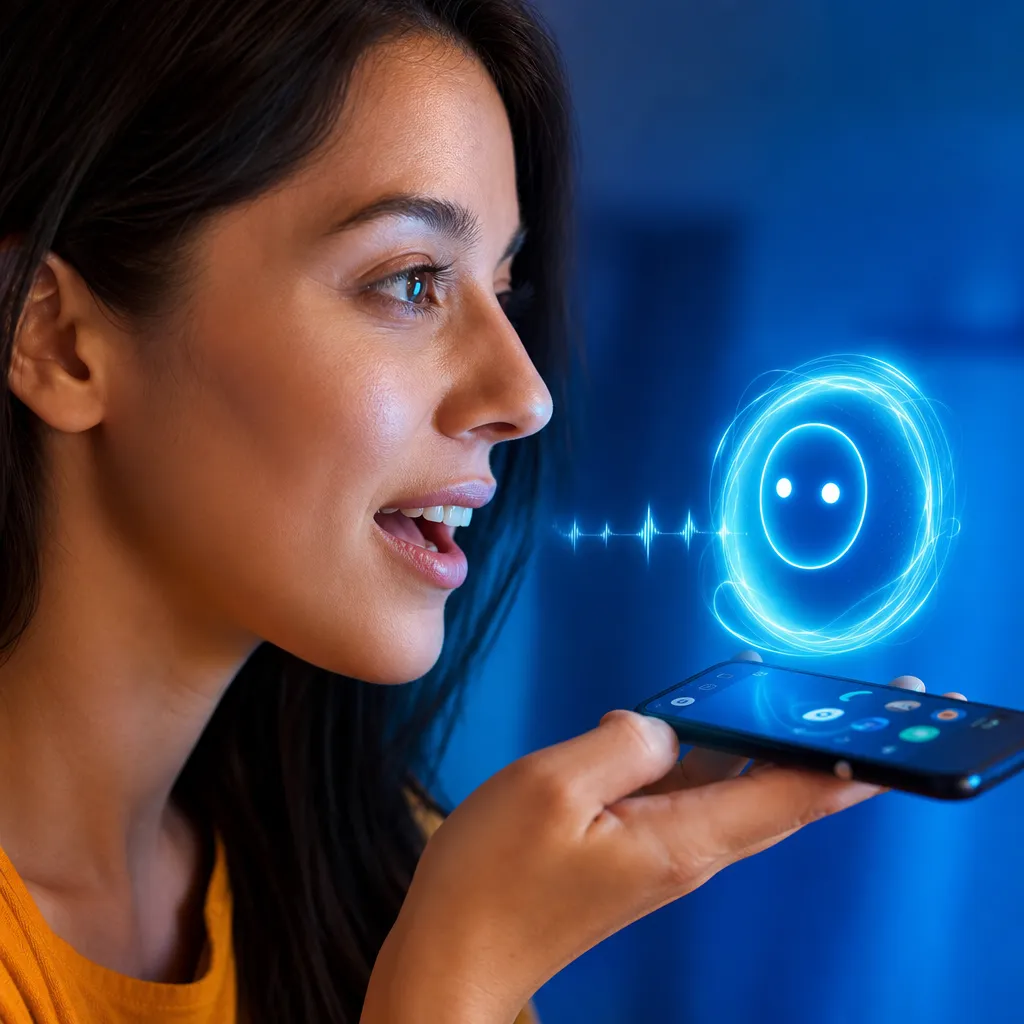
Absurd situations have already happened: assistants who called the wrong contacts, marked events on the wrong date or deleted important messages because they misinterpreted commands. You should always check before confirming sensitive actions, especially when it involves money transfers, critical schedules or deletion of important data.
Truth: Technology Continues to Evolve Fast
Today's vocal assistants are infinitely better than those five years ago, and will likely be much worse compared to five years in the future. Artificial intelligence is constantly evolving, with weekly improvements in voice recognition, natural language understanding, and application integration.If you tested an assistant a few years ago and were disappointed, it's worth trying again now.
Updates regularly arrive on your phone, bringing new features and greater accuracy. You will see improvements in the assistant's ability to understand regional accents, recognize emerging slang and complete more complex tasks. This is a technology that really learns and adapts over time, becoming more useful as you use it.
Myth 4: You Need a Very Expensive Cell Phone to Use AI Assistants
Many believe that smart vocal assistants are exclusive to high-end and ultra-expensive smartphones.The reality is quite different: virtually any modern mobile phone, even input models or intermediates, has support for functional voice assistants.
You can use AI assistants on basic Android phones, on iPhones not so new and even on older devices that receive software updates. Financial investment is not a barrier to accessing this technology. What really matters is keeping your operating system up to date and having a stable internet connection.
Truth: Vocal Assistants Transform Accessibility
For people with visual impairments, reduced mobility or conditions that make it difficult to use touchscreens, voice assistants are genuinely revolutionary. You can completely control your mobile phone just by talking, accessing messages, making calls and browsing applications without touching the screen.
In addition, these assistants provide voice feedback on what is happening on the screen, allowing you to fully understand content just by listening. For older people who have difficulty with complex visual interfaces, voice command offers an intuitive and secure way to use technology. The social impact of this innovation goes far beyond convenience.
Myth 5: Using Voice Assistant Frequently Drains the Battery Quickly
There is a common concern that activating the assistant will constantly consume the entire battery of your cell phone in a few hours. In fact, the impact on battery consumption is minimal when you use occasional commands.The assistant does not consume significant power just by being available to listen to your commands. The real cost arises only when you actually make a command or when the device is processing the request.
To put it in perspective, scrolling through social networks consumes much more battery than using voice assistants. A typical day of moderate use of voice commands affects the battery so little that you probably will not even notice the difference. The concern is understandable, but does not correspond to the reality of current consumption of these systems.
Truth: Smart Device Integration Amplifies Value
When you connect your voice assistant to other smart devices in your home, the value of this technology multiplies exponentially. You can control lights, adjust the thermostat, activate security cameras and manage home equipment just by talking. This integration turns your mobile phone into the control center of your entire smart home.
Imagine you come home with your hands full of shopping and simply say "turn on the room lights and turn on the air conditioning". Or while you sleep, say "turn off all the lights and lock the doors" of your room. This connectivity between your voice assistant on your mobile phone and the device ecosystem creates a genuinely transformative automation experience, which redefines the concept of convenience in your day to day.