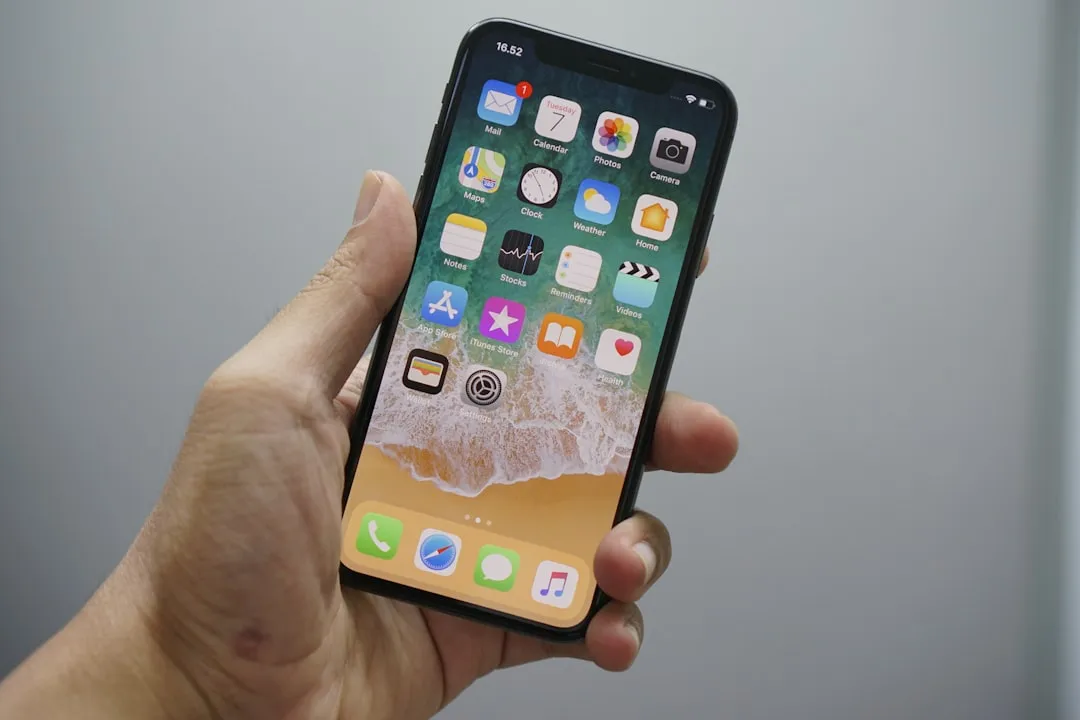
Have you ever imagined being able to test new haircuts before actually going to the salon? Apps to simulate haircut turn this possibility into reality. With the right technology, you can visualize how different styles would look on you, eliminating uncertainties and saving time and money.
Simulador de Cabelo e Cor IA
Toon Tech Ltd
Simulating haircuts through apps has revolutionized the way people plan their visual changes.You no longer have to rely solely on verbal description with your hairdresser or generic photos that may not reflect your hair type and face shape. This practical approach allows you to make more conscious decisions about your appearance, as well as facilitating communication between you and the professional who will make the cut.
How Apps to Simulate Haircut Work
Modern cutting simulation apps use artificial intelligence and augmented reality technology to deliver a realistic experience.You photograph your face or upload an existing image, and the app applies virtually different hair styles over the photo.The system analyzes features such as face shape, skin tone and hair type to ensure that the simulation is as close to reality as possible.
Most of these apps work in three main steps: image capture, processing and visualization. In the first step, you take a selfie or choose a photo with good lighting and with a well-visible face.In processing, the algorithm identifies reference points on your face and adjusts the simulated hair to fit perfectly. Finally, you view the result in real time or save multiple variations for later comparison.
The accuracy of these apps has improved significantly in recent years, especially with the advancement of machine learning technology.You will find simulations that take into account hair texture, growth direction, and even shadows and light reflections.Some premium apps offer manual adjustments, allowing you to customize specific color, length, and volume for each simulation.
Real Use Cases: When You Should Use These Tools
The first practical scenario happens when you are thinking about a radical change of look. If you have always had long hair and are considering a short cut like pixie cut or bob, the simulation allows you to see how it would work before the permanent commitment. You can visualize multiple variations of the same style, adjusting length and volume until you find exactly what you want.
Another common case is when you want to try different colors without damaging your hair with chemical dyeing. You take a photo and the app simulates shades such as blonde, red, brown or even creative colors such as blue or pink. This feature is especially valuable if you have dark hair and would like to know how it would look with platinum blonde, for example, before making a significant investment in decoloration.
Many people use these apps to prepare for hairdressing appointments. Instead of taking Pinterest screenshots that may not match your hair type, you show the professional a simulation that was created based on your photo. This greatly facilitates communication, as the hairdresser understands exactly what your visual expectation is, dramatically reducing the risk of disappointment with the end result.
Fashion, beauty and media professionals also use these tools to plan photoshoots and event looks. You can test different cuts and colors on models or on yourself before expensive appointments with specialized hairdressers.This saves production time and allows you to explore creativity without limitations.
One particularly interesting scenario involves people who are regaining confidence after significant life changes, such as cancer treatments or alopecia.You can visualize how different styles and wigs would look on you, helping in the acceptance process and allowing you to choose options that really make you feel good and safe.
Practical Advantages of Virtual Simulation of Cuts
Financial savings are one of the biggest advantages when you use simulators before going to the salon. A wrong cut can cost you a lot to fix and require weeks or months to grow again. By testing virtually first, you significantly reduce the risk of unsatisfactory results and, consequently, the expenses with later corrections.
The emotional security you gain by visualizing changes before performing them is incalculable.You do not have to deal with the anxiety of not knowing how it will look, as you have already seen the simulated result. This is especially important if you have a tendency to regret aesthetic changes or if you have low self-esteem related to your appearance.
These tools also allow you to explore different versions of yourself without compromise. You can test a bolder cut, a vibrant color, or a completely different style from your usual. If the simulation does not please, you simply discard and try another, without any negative consequences other than the time spent.
Communication with hair professionals improves dramatically when you use these tools as a reference. You will have concrete visual arguments instead of vague descriptions like "want something more modern" or "want a cut that rejuvenates".
You also save time in preliminary consultations, as many decisions can already be made at home. If you already know exactly what cut and color you want because you have tested virtually, the session in the salon becomes more focused and efficient, benefiting both you and the professional.

Different Types of Applications Available
There are several categories of apps to simulate haircuts, each with distinct functionality and prices. The free apps offer basic simulations with a limited number of styles and colors. You can use them for initial exploration and to get a general idea about how different cuts would work on you, but the quality of the simulation is usually lower than that of the paid versions.
Premium apps offer much larger libraries of styles, better simulation quality, and advanced features like manual length and volume adjustments.You also find options to simulate different hair types wavy, curly, or smooth textures and a greater variety of skin tone in the algorithms. Monthly investment usually ranges between five and fifteen dollars.
Some applications specialize in simulating hair colors, while others focus on cuts. You can find tools that combine both, offering a more complete experience.There are also apps developed specifically for salon professionals, with customer marking features and work history performed.
Hair product brands also develop their own simulation apps.You access these tools for free, usually because the brand expects you to buy their products later.These apps are often surprisingly good in terms of simulation quality, as brands invest significant resources in developing the technology.
Practical Tips for Getting Better Results in Simulations
The quality of the photo you use is critical to get realistic simulations. You should take a selfie or use an image with good natural lighting, ideally near a window during the day. Avoid photos with shadows on the face, glasses or hair covering the face, as this impairs the analysis of the algorithm and compromises the final result of the simulation.
Position your face neutrally, looking directly at the camera, and make your hair fully visible without too complicated hairstyles. You can hold your hair if you use a discreet elastic band or let loose, depending on the application, but the important thing is that the app can clearly identify the shape of your face and the current texture of your hair. A neutral expression also works better than exaggerated smiles.
When testing different styles, you should compare several variations of the same cut with different lengths and volumes. Do not settle for the first option that appears well in the simulation, as small adjustments can make a significant difference in the final result. Use the side-by-side comparison function, if available, to better visualize how different options work on you.
You should also take into account your hair type and texture when choosing which simulations tests.If you have very thin hair, certain styles that require natural volume may not work well in reality. Similarly, if you have very thick or very curly hair, some cuts that look good in the simulation may be impractical in everyday life.
Take the final simulation saved on your phone for consultation with the hairdresser.You can show the image during the initial conversation to establish clear expectations. Ask the professional opinion of the hairdresser about the feasibility of the cut and colors, considering their type and health of hair, as professionals often identify limitations that the app does not consider.
Limitations You Should Know
Haircut simulation apps, as advanced as they are, have important limitations that you need to consider. The simulation is two-dimensional, while the actual hair is three-dimensional, which means that the result can differ in motion and at different angles. A cut that looks perfect from the front may not be as attractive from the profile or from the back.
The quality of the simulation also depends on how well the algorithm understands the specific texture of your hair. If you have hair with very unique texture, such as very wavy, very curly or very smooth and rebellious, the simulation may not accurately reflect how the cut would actually move and behave in your hair. You should always consult a professional before making significant changes based only on simulations.
Simulated hair colors can look very different from reality after actual chemical dyeing.Various factors influence the end result, such as the natural color of your hair, the quality of the coloring product used and the conditions of your hair at the time of application.The simulator usually does not take all these factors into account perfectly.
Simulation tools also fail to predict how you will feel emotionally about a change, even if it looks great visually. You may like the look of the simulation but then regret the actual change because you don't feel comfortable or confident.
You should also be aware that algorithms may have biases depending on what data was used to train them. Some apps work better with certain hair types or skin tones than with others. Before relying completely on a simulation, test the app with a known photo and see if the result looks realistic based on your experience with previous cuts.
The investment in a good application is worth considering the costs you avoid with bad cuts and incorrect dyes. Even with the mentioned limitations, having the ability to visualize changes before executing them significantly reduces the risks and increases your chances of being satisfied with the end result. Combine technology with professional advice to get the best possible results.