Have you ever stopped to think about how much you spend on mechanics to diagnose problems in the car? An application that scans your vehicle can change this reality. With the right technology, you discover defects yourself, save money and maintain full control over the maintenance of your car.
Most car owners face the same dilemma: when the warning light turns on on the dashboard, the first reaction is to run to the workshop. However, not every problem requires the presence of a professional.There are practical and affordable solutions that allow you to do an initial analysis of the vehicle yourself before spending hundreds of dollars on diagnostics in mechanics.
How a Car Scanner Works
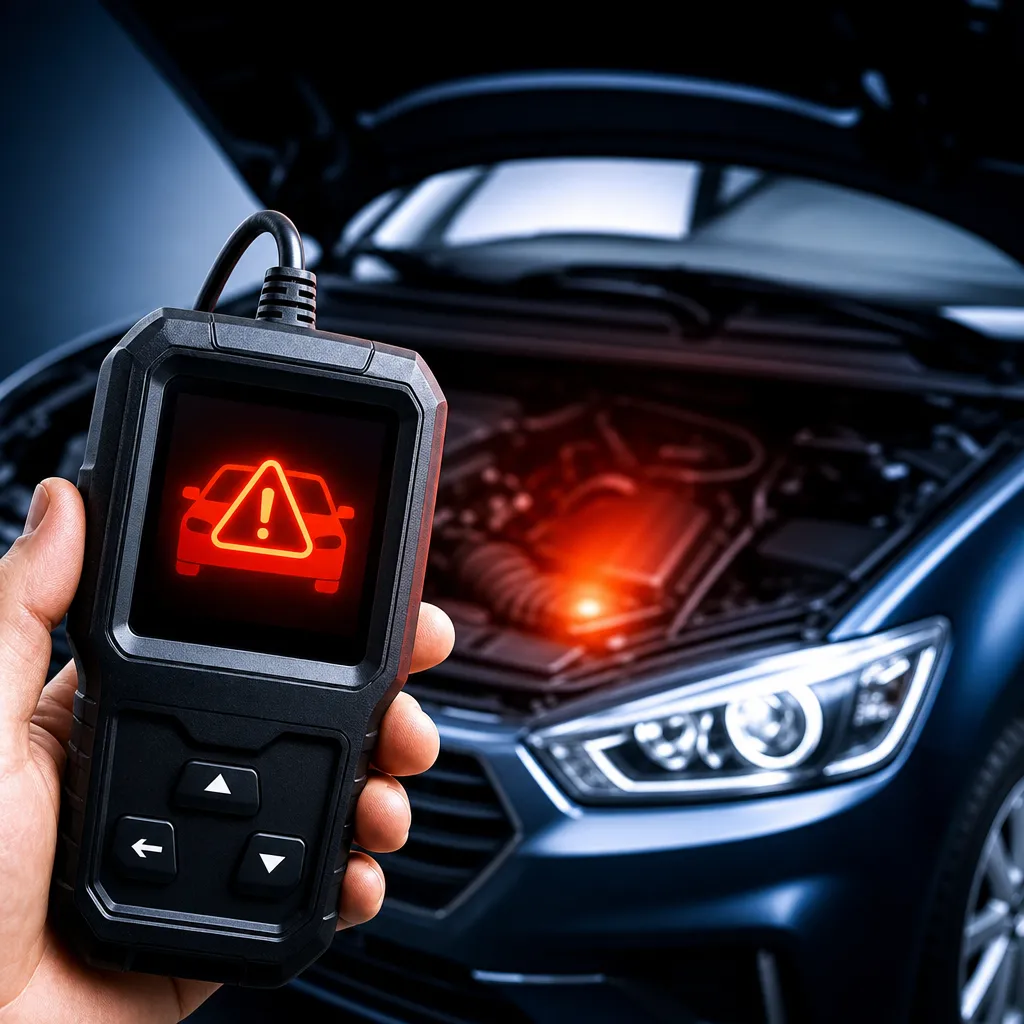
A car scanner is a device or application that connects to the electronic system of your vehicle through the OBD2 port (On-Board Diagnostic 2). This port is present in virtually all cars manufactured from 1996, and acts as an access point to engine data, transmission, emission systems and other components. When you connect the scanner, it reads the fault codes stored in the car memory and translates them into understandable information.
The process is quite simple and fast.You insert the OBD2 reader into the door located under the steering wheel or dashboard, open the application on your smartphone, and in seconds you receive a detailed report on the state of the vehicle. Failure codes appear with technical descriptions and, depending on the application, you receive suggestions on which part or system may be in trouble.
Advantages of Using a Diagnostic Scanner
The main advantage is the cost. A diagnosis in workshop costs between R $ 100 and R $ 300, depending on the region and the establishment. A Bluetooth OBD2 reader costs between R $ 50 and R $ 200, which means that it pays for itself after only one or two diagnoses. In addition, you can use as many times as you want, monitoring the health of your car continuously.
Another important advantage is the autonomy.You no longer depend on appointments in workshops or the availability of professionals. You can check the state of the car anytime, anywhere, knowing exactly what the problem is before looking for a mechanic.This avoids scares and ensures that you will not fall victim to questionable diagnostics or unnecessary repairs.
When you know the real state of your vehicle, you can better plan maintenance expenses and avoid emergency situations on the road. Some failures can be serious and require immediate repairs, while others are smaller and can be controlled until you find a reliable mechanic.
Types of Defects that Scanner Identifies
The car scanner identifies a wide range of problems, from the simplest to the most complex. Engine problems such as failed cylinder, faulty oxygen sensor, clogged EGR valve and combustion problems are easily detected.The device also identifies emission system failures, which often cause that yellow light on the panel that leaves many people worried.
Transmission problems can also be diagnosed, including speed sensors with malfunction and inadequate pressure.The brake system, electronic suspension and even electrical problems are detectable through the scanner.In addition, you can track real-time information such as RPM, engine temperature, speed, fuel consumption and other metrics important to the health of the vehicle.
There are also intermittent faults that the scanner can pick up. These are the ones that cause the warning light to turn on sporadically, leaving you confused about what the real problem is. The fault history stored in the car system helps you identify patterns and understand when and why the problem occurs.
How to Choose the Best Scanner for Your Car
When choosing a scanner, you should consider some important criteria. First, check the compatibility with your vehicle, especially the brand and the year. Most modern scanners work with cars from 1996, but some old models may have limitations.
The type of connection also matters a lot. Wireless Bluetooth readers are more practical than cable ones, because you can leave the device connected and monitor everything by the phone comfortably. Make sure the application is easy to use and is available for iOS and Android if you use different devices.
Consider the depth of the information provided. Some basic scanners show only the fault codes, while more advanced ones offer graphics, detailed history and even repair recommendations. If you are a beginner, a simple model may be enough. But if you want to keep up with the car constantly, a more complete one is worth the investment.
Step by Step to Scan Your Car
The first step is to locate the OBD2 port on your vehicle. It usually sits under the instrument panel, on the driver's side, and has a rectangular shape with small pins. Consult your car's manual if you have difficulty finding it. Once located, turn off the engine and dock the OBD2 reader to the door carefully.
Then, turn on the car without starting the engine, put the key in position accessories. If your reader is wireless, wait for Bluetooth pairing with the smartphone. Open the application, log in if necessary, and select the option to start the diagnosis. The process can take from 30 seconds to 2 minutes, depending on the device and the number of sensors in the car.
When the scan is finished, you will receive a report with all the fault codes found, technical descriptions and in many cases suggestions on which problem is causing the failure. Write down the codes and do your own research before taking the car to a mechanic, so you will have more negotiating power and certainty about the diagnosis.
Scanner Limitations You Need to Know
Although very useful, the scanner has important limitations that you must understand. It only identifies faults that generate codes in the electronic system of the car. Pure mechanical problems, such as wear of brake pads, too viscous oil or worn distribution belt, do not appear in the reports because they do not fire electronic sensors.
Another crucial point is that the scanner provides technical information, but does not replace the experience of a professional mechanic. A fault code can have multiple possible causes, and a qualified professional can make a differential diagnosis much more accurate. The scanner is excellent for discarding serious problems and saving money on diagnostics, but specific complexities still need professional analysis.
It is also important to understand that cleaning the fault codes only erases the history, but does not solve the problem. If you clean the fault and it returns hours later, it means that the defect still exists and needs to be repaired. Use the scanner for monitoring, not as a complete replacement for professional maintenance.
Frequently Asked Questions about Car Scanners
A common question is whether it is safe to use a scanner in my car. The answer is yes, totally safe. The device only reads information, does not write or modifies anything in the electronic system. You will not cause damage to the vehicle simply by connecting an OBD2 reader. The connection is standardized and secure.
Another frequent question is whether the scanner works on old cars.Yes, it works on virtually all cars manufactured from 1996, which is when the OBD2 port has become mandatory standard.Older cars need special adapters or readers specific to make and model.
Many ask if the app supports after purchase. This varies from manufacturer to manufacturer. Most offer free app updates and error code database. Some have email or chat support to answer technical questions.
A legitimate question is whether I really save money using a scanner. The answer depends on how often you take the car to unnecessary diagnostics.If you are the type who runs into mechanics every time a light comes on, yes, it will save a lot. If you rarely have problems, it may take more time for the investment to pay off.
Finally, many question whether I can fully trust the scanner diagnosis. Trust, but combine with own research and second professional opinion for serious problems.The scanner provides reliable data, but the interpretation of this data and the identification of the root cause sometimes require experience of a professional. Use it as a first line of investigation, not as a definitive final diagnosis.