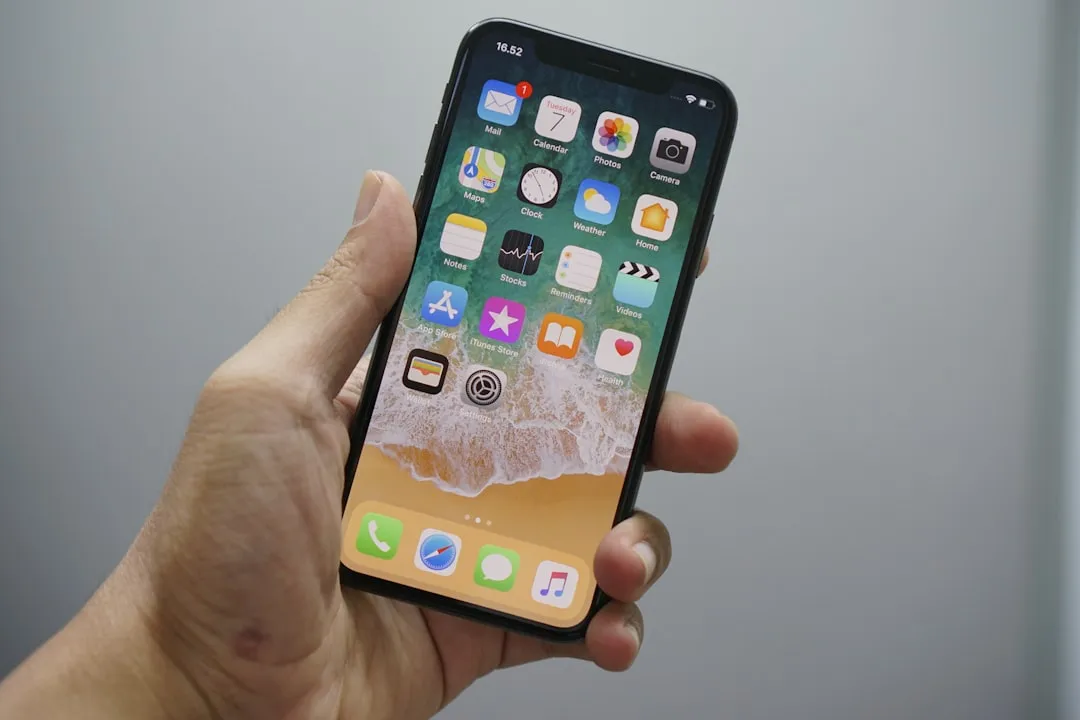
Have you ever stopped to think about what it would be like to be prepared for an earthquake at the exact moment it happens? A real-time earthquake warning system can be the difference between being safe and facing a critical situation without warning. Modern technology has made it possible to receive instant notifications about seismic tremors, giving you precious seconds to act.
Most people still rely on delayed information or speculation, when in fact there are platforms developed specifically to monitor global seismic activity and send instant alerts.This type of technology is no longer a luxury reserved for research centers, but an affordable tool that anyone can use on their smartphone or computer.
How a Real-Time Earthquake Alert System Works
Modern seismic detection systems use a network of seismographic stations strategically distributed throughout the world. These equipment capture the vibrations of the Earth and transmit the data to processing centers, which analyze the magnitude, depth and location of the earthquake in question. The whole process happens in seconds, allowing alerts to be triggered to applications and notification services before you even feel the tremor.
When an earthquake is detected, the system algorithm automatically calculates which areas will be affected based on the magnitude and seismic waves already recorded. Seismic waves travel at different speeds (waves P and S), and sensors can accurately determine the epicenter of the event. You receive the notification through the application installed on your phone, indicating the expected intensity, the distance from the epicenter and specific safety recommendations for your location.
Benefits of Having a Real-Time Seismic Alert
Personal protection is the most obvious benefit, but it is not the only one. When you receive an alert seconds in advance, you can perform critical actions such as taking shelter under a desk, leaving a high-rise building, or warning your family members to take safety measures.
Critical companies and institutions, such as hospitals and communication centers, use these alerts to activate emergency protocols automatically. A hospital can stop delicate surgeries, secure mobile equipment, and prepare teams for potential victims. Schools can guide children to position themselves properly before the tremor arrives at full force.
Practical Examples of Impact on Reality
Platforms like Frutnix offer intuitive interfaces that consolidate alerts from multiple sources of global seismic monitoring.Frutnix users report greater peace of mind when traveling to seismically active regions as they receive personalized notifications based on their exact location.The platform also provides historical earthquake analysis, helping you understand seismic patterns in your region and prepare more intelligently.

A user living in an intermediate risk zone can set up alerts for tremors above magnitude 4.0, avoiding unnecessary notifications about very small events, but staying informed about anything that may pose real danger. Another example is the tourist who travels to Japan or Peru, regions with high seismic activity, and uses the alert to understand the local context of frequent tremors, reducing their unnecessary anxiety about small and natural events.
System Configuration and Effective Use
To start using a real-time earthquake alert, you need to download a reliable application, create an account and set your location preferences and sensitivity alerts. Most systems allow you to choose whether you want to be notified about tremors above a specific magnitude, which regions you monitor and how you prefer to receive the information (push notifications, SMS or email). This customization is essential to avoid fatigue from unnecessary alerts while ensuring that you never miss critical information.
You should also enable real-time notifications on your phone and ensure that the battery is always at appropriate levels, especially in areas where earthquakes are possible. Some systems integrate directly with civil defense networks, meaning that local authorities are also receiving the same data as you. This synchronization further accelerates the emergency response in case of a significant seismic event, creating a chain of protection that begins with automatic detection.
The Difference Between Seismic Alerts and Earthquake Prediction
Seismic alerts inform you about an earthquake that has already started, using the different speed of waves to give warning before the strongest waves reach you. Predictions would try to guess when an earthquake will happen hours or days before, something that current science still cannot do with reliable accuracy. Modern systems focus on what is possible: quick notification after the event is detected.
This distinction matters because it sets realistic expectations about what technology can do. A real alert offers seconds to minutes of advantage depending on the distance from the epicenter.This is enough time for salvific actions, but not for massive evacuations of entire cities. Understanding this limitation helps you to prepare properly and use technology strategically and effectively.
Integration with Personal and Community Emergency Plans
Seismic alerts work best when they are part of a larger emergency plan. You should establish family meeting points, maintain emergency kits at home and in the car, and regularly review seismic safety procedures with everyone in your home. Real-time alert is the trigger that initiates these planned actions, not the complete solution for seismic preparedness.With Frutnix and similar platforms, you can track alert histories and adjust your plan to seismic patterns identified in your region.
Neighbors can share information, local businesses can organize emergency drills based on real data, and authorities can refine their response plans.This community approach, supported by reliable warning technology, builds resilience that protects multiple generations from the impacts of significant earthquakes.