Have you ever thought about diagnosing your car problems without leaving home? Automotive scanner apps promise just that, but do they really work as they advertise?In this article, we will separate the myths from the truths about these tools that explode in popularity.
Vehicle diagnostic technology has changed dramatically in recent years, and many owners believe they can solve everything with a mobile app. However, there are misconceptions about what these scanners really can do and what their real limitations are.
The Myth: Apps Completely Replace a Mechanic
Many owners believe that downloading a car scanner eliminates the need to visit a mechanic.This is one of the biggest illusions of the current market.The truth is that applications can read fault codes from your vehicle's computer, but interpreting them correctly requires deep technical knowledge that goes far beyond automatic data reading.
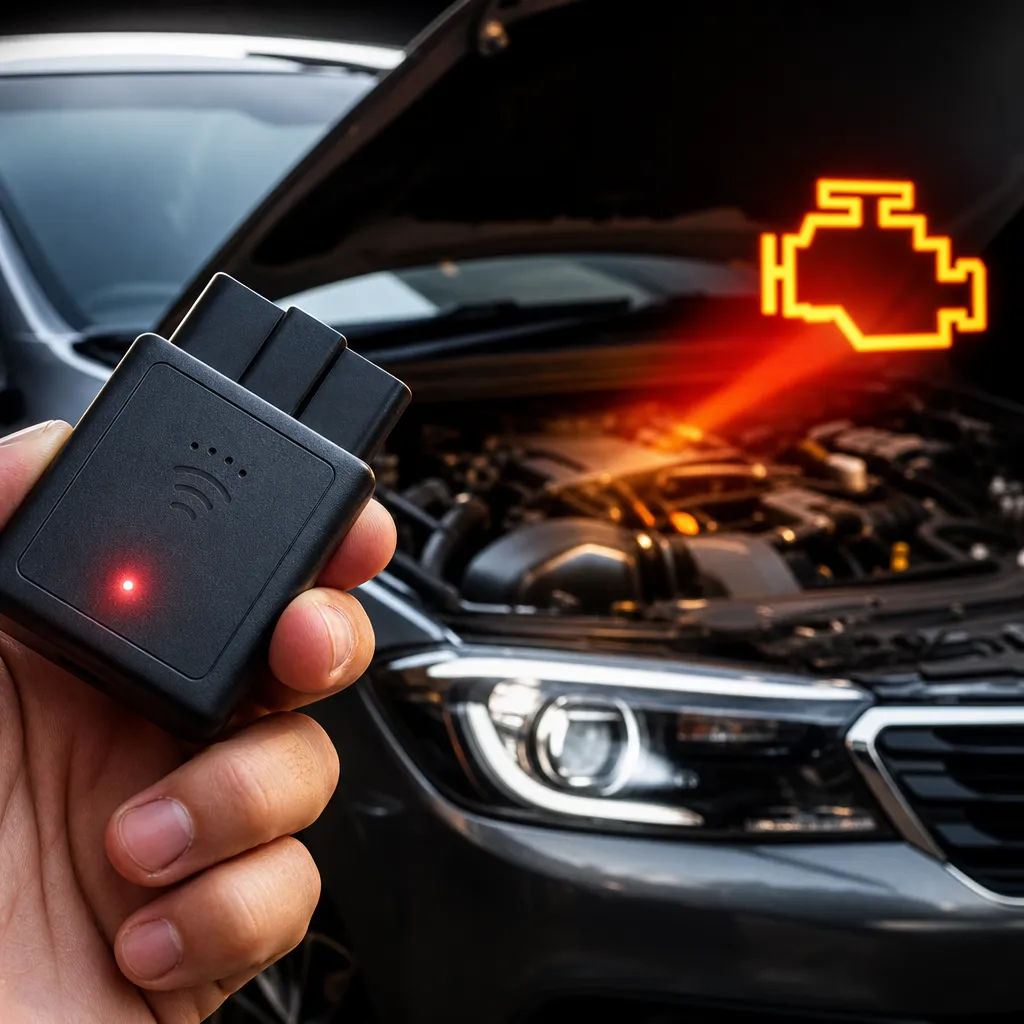
A car scanner identifies when the engine check light comes on and provides the corresponding error code. However, the same code can have multiple root causes, and the application cannot make the differential diagnosis that an experienced mechanic performs. For example, a low oxygen code may indicate problems with the sensor, catalyst, fuel mixture or even loose electrical connections.
The Truth: They Work for Initial Diagnoses
Here is where the car scanner really shines: as an initial diagnostic tool.If you want to know why the engine check light is on before spending money on a mechanic consultation, the application offers valuable information.
Apps like these read data from your vehicle's on-board diagnostic system (OBD-II) via an affordable Bluetooth adapter. This reading provides the standardized fault codes that help you research the problem and get a preliminary idea of what might be going on. Many owners can save on initial diagnostics and reach the mechanic with useful information about their vehicle, speeding up service and making it more efficient.
The Myth: Any App Works in Any Car
There is a widespread belief that all car scanners work universally on any vehicle. In reality, compatibility varies considerably depending on the make, model, year of manufacture and installed diagnostic system.An application that works perfectly on a Honda 2015 can be completely ineffective on a VW 2018 or an imported car.
Automotive manufacturers use different protocols for data communication, and not all applications support all protocols.In addition, older cars may not have compatibility with modern OBD-II technology, while some newer models have proprietary systems that require manufacturer-specific tools. Before investing in an application, you should check whether it is actually compatible with your specific vehicle.
The Truth: You Save Money on Unnecessary Diagnostics
Workshops often charge considerable fees just to read fault codes.With a car scanner on your mobile phone and a cheap OBD-II adapter, you eliminate this repetitive expense.You can read the codes as many times as you want without paying anything additional, monitoring if a problem persists or resolved.
This economic advantage is particularly relevant when you need to track an intermittent problem or check if a repair was successful. Instead of paying for diagnosis again, you simply plug in the adapter and check if the code has disappeared or changed. For owners who like to track the health of their vehicles, this represents real savings over time.
The Myth: The App Provides Complete Repair Solutions
Many users expect that after reading a fault code, the application will provide step-by-step instructions to fix the problem itself. This expectation rarely corresponds to reality. The scanner identifies what is wrong, but does not perform the repair or provide detailed guidance on how to do it safely and effectively.
Automotive repairs involve knowledge of mechanics, specialized tools, understanding of complex systems and critical safety considerations. An application can not replace the practical experience of a qualified technician.You can find out that the oxygen sensor is defective, but successfully replacing it requires locating the correct component, removing the old one, installing the new one with correct specifications and resetting the system accordingly.
The Truth: They Identify Minor and Preventive Problems
Where car scanners really excel is in identifying small issues before they become major expenses. A loose sensor connection, a faulty fuel cap or a poorly calibrated variable command can generate fault codes that the application captures.Detecting these issues early allows you to take preventive action and avoid much more expensive repairs in the future.
Owners who regularly use a car scanner report higher reliability and fewer unpleasant surprises in the workshop.You can monitor real-time data trends such as engine temperature and fuel consumption, which indicate when maintenance is needed. This proactive approach extends the life of the vehicle and maintains its safety, turning the application into a legitimate preventive maintenance tool.
Choosing the Best Car Scanner for Your Needs
If you have decided to use a car scanner, some practical considerations will make all the difference in your experience. First, confirm that the application is compatible with your specific vehicle by consulting the detailed compatibility lists.Second, choose between basic free applications that show only codes, or paid versions that offer more detailed analysis and history of failures.
OBD-II adapters vary greatly in quality, so invest in a well-rated model with good Bluetooth compatibility. Popular apps like Torque, BlueDriver, and Car Scanner offer different levels of functionality, from simple reading to advanced performance analysis.Start with a basic option to understand if the tool is useful to you before spending more money on premium versions.