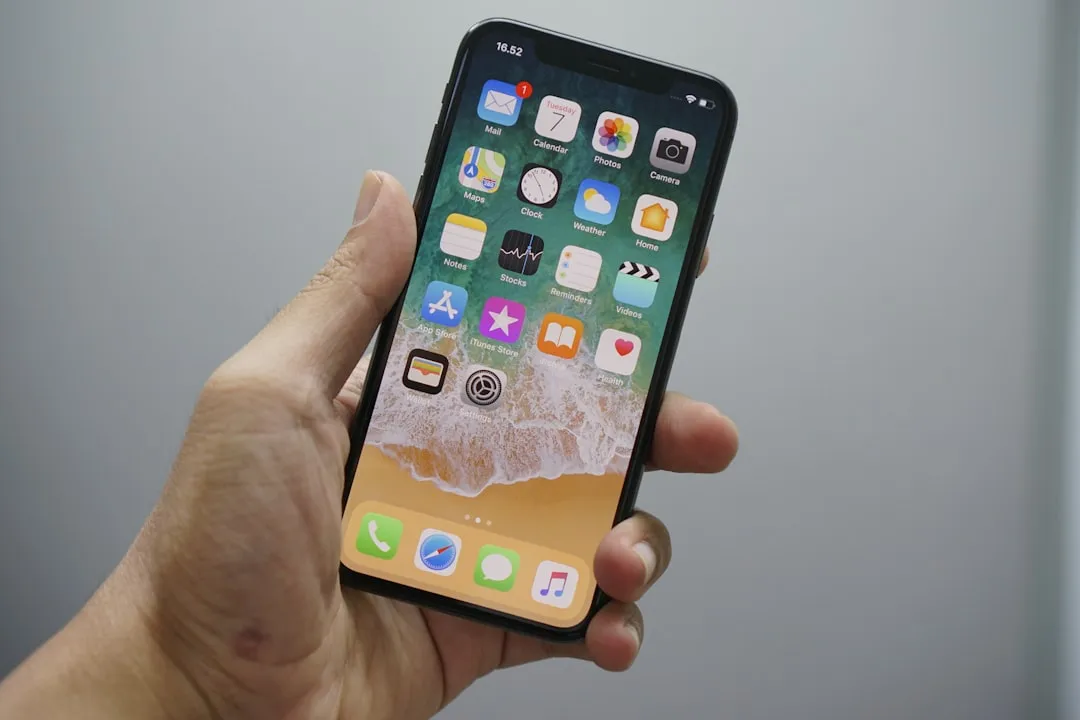
A mechanics app to scan for car problems has transformed the way vehicle owners diagnose faults.You no longer have to wait for a workshop visit to find out what is wrong with your car.
These apps connect to your car's on-board computer via an OBD2 (On-Board Diagnostics) reader, capturing real-time data on engine performance, emission system and other critical components.The technology offers convenience, time savings and full control over your vehicle's health, allowing you to make informed decisions before a small problem turns into an expensive repair.
How an Automotive Scanning App Works
The mechanics app works through a connection between your smartphone and an OBD2 reader device, a small gadget that you connect to the car diagnostic port, usually located under the instrument panel. Once paired via Bluetooth or WiFi, the app reads the fault codes stored on the vehicle's computer and translates them into understandable information for the owner. This process takes only a few minutes and does not damage your car in any way.
The data captured includes engine temperature, fan speed, spark plug state and exhaust gas oxygen reading, among other parameters. You receive detailed reports that explain exactly which system has problems and the severity level of each failure.Some applications even provide repair cost estimates and recommendations from accredited workshops in your region.
Advantages of Using Vehicle Diagnostic Applications
Financial savings is one of the main reasons to adopt this technology. By identifying problems early, you avoid secondary damages that cost much more expensive and you can negotiate better with the mechanic when you already know exactly what the problem is. A professional diagnosis in a workshop can cost between fifty and two hundred dollars, while most applications cost a fraction of that or even offer free version with basic functionalities.
You also gain autonomy and transparency about the conditions of your vehicle. You do not have to rely only on third-party evaluation and can track the history of your car's failures over time. This information is extremely valuable for sales negotiations, insurance comparisons and preventive maintenance planning.In addition, you avoid unnecessary trips to the workshop when you quickly identify that the fault is simple to solve on your own.
Current Trends in Mechanical Apps
Modern applications are evolving significantly with the integration of artificial intelligence and machine learning. These technologies allow the app to not only identify the fault, but also predict future problems based on the history of failures and usage patterns of your specific vehicle. You receive proactive alerts about necessary maintenance before the problem manifests itself, transforming the approach from reactive to preventive.
Connectivity with workshops and insurers is another important trend. Many apps now integrate marketplaces where you can get automatic quotes from certified mechanics, schedule repairs directly through the application and send diagnostic reports to the professional before your visit. This integration reduces waiting time and significantly improves the quality of care, because the mechanic arrives prepared with all the necessary information.
Best Practices when Using Diagnostic Apps
Before you start, choose a recognized and well-rated application that works with your car model and operating system. Make sure the app supports you in English, brings regular crash database updates, and has positive user reviews on Google Play or App Store. An outdated application may provide incorrect or incomplete information that compromises the diagnosis.
Establish a check routine, ideally every three months or when you notice strange behaviors in the vehicle. Keep the OBD2 reader always clean and protected from moisture, as it is a sensitive electronic component.Do not consider the app report as a replacement for a professional diagnosis for serious problems, but rather as a tool that facilitates communication with the mechanic and reduces unnecessary expenses with duplicate diagnostics.
Optimal OBD2 Reader Selection
The success of your mechanics app depends directly on the quality of the OBD2 reader you choose. There are basic readers that capture only simple fault codes and advanced readers that provide real-time data from multiple vehicle systems.For most owners, a mid-quality Bluetooth reader offers the best cost-effectiveness, combining proper functionality with affordable price.
Confirm reader compatibility with your vehicle before you buy, especially if you own an imported or older car. Some car manufacturers use proprietary protocols that not all readers can fully interpret. The best strategy is to invest in established brands with good track record of compatibility and customer support, avoiding generic products of questionable quality that can provide inaccurate readings.
Future of Automotive Diagnostic Applications
The future trend points to an ever-increasing integration between your car and smartphone, with diagnostic applications running more autonomously and continuously. Newer vehicles already have native telematic systems that share data directly with applications, eliminating the need for external readers. This evolution will make monitoring the health of the vehicle as simple and automatic as checking a notification on your mobile.
Data security and privacy is also becoming a growing priority in this market. Responsible apps implement robust encryption to protect sensitive information about your vehicle and driving habits.You can expect future apps to include controlled data sharing options with manufacturers, allowing you to benefit from custom software updates and preventive maintenance without sacrificing your privacy.