You have probably made a mistake while driving, either due to lack of attention or ignorance of traffic rules.The truth is that many drivers make the same mistakes repeatedly, putting your life and that of other people at risk.

Código de Trânsito
Red Appz
This article identifies the most common mistakes drivers make in traffic and shows how to avoid them in a practical way. You will learn what behaviors harm your safety and those around you, as well as know effective strategies to improve your conduct on the streets.
Not knowing the updated traffic rules well
Traffic rules are constantly updated, but many drivers drive based on outdated knowledge.You may be violating a rule without even knowing that it has changed, which puts you at risk of fines and accidents.The lack of updating on new signs, revised top speeds and new infringements leaves you vulnerable to infringements that you could easily avoid.
To avoid this mistake, take time regularly to review the main traffic rules.There are specialized applications that help you consult questions about signs, priorities on the streets and correct behaviors in different situations. When a doubt arises while driving, it is no use guessing: consult reliable sources as soon as you can to confirm the correct procedure.
Many drivers learn rules from friends or family who may also be wrong. You should seek direct information from the National Traffic Council (CONTRAN) or official sources to ensure you are following the right norms. Investing a few minutes a month in learning or reviewing these rules prevents fines, points on the wallet and, most importantly, saves lives.
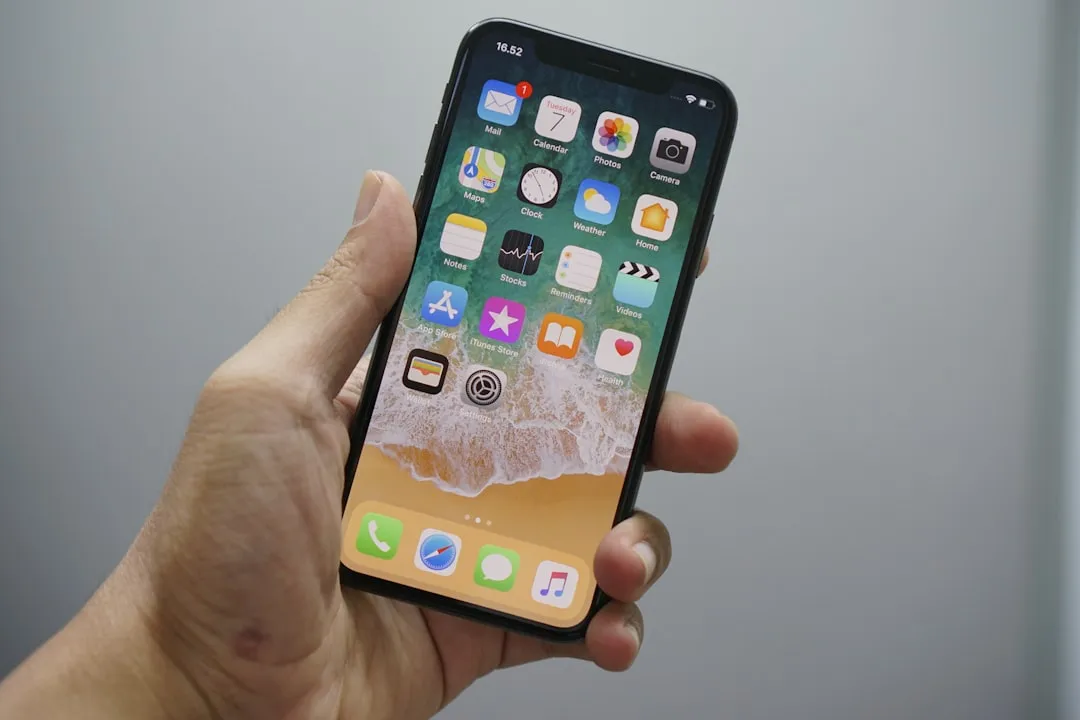
Using your cell phone while driving
This is one of the most dangerous and common mistakes on Brazilian streets.You see drivers daily typing messages, answering calls or consulting maps while the car is moving. This behavior drastically reduces their ability to react and concentrate, increasing up to ten times the risk of serious accidents.
The temptation to check notifications is immense, especially at traffic jams or red traffic lights. However, many drivers underestimate how long it takes for a text message to distract their attention.Research shows that taking your eyes off the road for just five seconds on an urban road means walking the distance of a football field without looking at the path.
The solution is to disable notifications before driving or use the driving mode of your phone. If you need to use GPS, program the address before leaving the place and leave the device on a fixed stand. If you receive an important call, look for a safe place to stop and answer it. Your life and that of others is worth much more than any urgent message that may arrive during the journey.
Do not keep safe distance from the car in front
Walking too close to the front vehicle is a risky behavior that you probably see or even practice.Many drivers believe that getting stuck in the previous car helps them "buy time", but in reality reduces reaction time in an emergency. If the front car brakes sharply, you may not be able to stop in time to avoid a rear-end collision.
The safe distance depends on the speed at which you are driving. On urban roads, a distance of three to four meters is suitable, while on highways you should keep at least one car away for every ten kilometers per hour of speed. This means that if you are at 100 km/h, you should keep approximately ten meters away from the vehicle in front of you.
When you maintain proper distance, you gain valuable time to brake or divert in case of unexpected obstacles. This simple practice drastically reduces the chance of rear-end accidents, which are very common in congested cities. Remember that the driver who suffers the least from traffic jams is the one who can anticipate braking and maintains a more constant speed.
Parking in prohibited places
Have you ever stopped the car in a double slot, at the bus stop or on the sidewalk to "just jump" somewhere? This behavior seems harmless, but causes real problems for traffic, for pedestrians and puts your vehicle at risk. Parking irregularly obstructs the flow of vehicles, can damage traffic signs and prevents people with reduced mobility from accessing areas they need.
Many drivers park irregularly because they think "no one will notice me" or because "it will be fast". This mentality causes accidents where other cars need to leave the lane to get around your vehicle. In addition, you receive heavy fines, you can have the car removed by the inspection and still lose more time solving the situation than you would lose looking for a legal place to park.
Before leaving the car, always take the time to find a suitable parking.Many cities offer applications that show available places in legalized parking lots near your location.The small time spent looking for a correct location is negligible compared to the time lost dealing with fines, winch and possible accidents caused by obstruction.
Ignore signs and signalers
Traffic signs such as ban boards, traffic lights and directive arrows exist to organize the flow of vehicles and protect you. When you ignore these signs, you endanger everyone who shares the road, including passengers who depend on your responsibility. Many drivers ignore "forbidden turn left" signs or cross red traffic lights because "no one came".
The problem is that you can never be absolutely sure that no one is coming. Serious accidents happen precisely because a driver decided to ignore the signage relying on his own evaluation.In addition, each violation recorded by the inspection adds points to your wallet and can result in suspension of the right to drive if you accumulate many infractions.
Respect all signs, even if you do not have traffic at the moment. This discipline becomes a habit that protects you in all situations, including on roads you do not know or at different times of the day. Many accidents between drivers and pedestrians could be avoided simply by respecting what the traffic signs indicate.
Driving tired or under the influence of alcohol
This is perhaps the most dangerous mistake a driver can make, and unfortunately many do. You may find that you can drive after working a long shift or drinking one or two alcoholic beverages, but the reality is that both situations seriously compromise your ability to react and judge. Fatigue and alcohol affect the same brain centers responsible for motor coordination and rapid decision-making.
Driving tired reduces your attention in a similar way to driving with a high alcohol rate.You can lose control of the car, fall asleep for a few seconds or make bad decisions that cause accidents. Similarly, alcohol distorts your perception of distance and speed, making you underestimate risks that actually exist. Combining these two situations is extremely dangerous and demonstrates a lack of responsibility for your life and that of others.

If you feel tired during a long commute, stop and rest properly before continuing.If you drink alcohol, use a taxi, transport apps or ask someone sober to drive. These small actions save lives every day and prevent you from becoming responsible for tragedies.
Not adapting speed to road conditions
Many drivers always drive at the same speed regardless of weather conditions, road type or time of day. You can maintain a safe speed on a clear road during the day, but the same speed on a rainy night dramatically increases the risk of accidents. Wet floor reduces tire grip, rain compromises visibility and night decreases your ability to see obstacles from a distance.
In addition, urban roads with many pedestrians, bike paths or constructions require lower speeds than well-marked roads. You should always observe signs indicating speed limits, but also use your own judgment to adapt even more if conditions require. Brakes do not work with the same effectiveness on wet ground, so you need to maintain even lower speeds than you would normally maintain.
Adapting speed is a sign of an experienced and responsible driver. Reduce when it rains, snows or dusks, especially on roads you do not know well. Reduce also when passing schools, hospitals and areas with a lot of pedestrian movement, even if there is no sign indicating this. This flexibility in speed keeps you safe and ensures that you react appropriately to any unexpected situation that arises in front of you.
Do not regularly review the condition of the vehicle
You may be making a serious mistake without even knowing it: driving a car with mechanical or maintenance problems. Spent tires reduce cornering grip and increase the risk of punctures, worn brakes compromise your ability to stop quickly and outdated oil damages the engine. Many drivers ignore dashboard alerts or postpone basic maintenance to save money, but this ends up costing much more in accidents and emergency repairs.
Before each important route, take a few minutes to check the basic condition of the car. Check that the tires are calibrated, that the oil is at the correct level, that the lights work properly and that the brakes respond well. These simple checks prevent most of the mechanical problems that cause accidents or leave you stuck on the road. A well-maintained car is not only safer, but also consumes less fuel and lasts much longer.
Follow the maintenance schedule recommended by your vehicle manufacturer and do not ignore bright warnings on the dashboard.Your car communicates with you when something is wrong, so respect these signs and look for a reliable mechanic to solve the problems. Investing in preventive maintenance is much cheaper and safer than dealing with the consequences of a broken or malfunctioning car on the road.
Make conversions and track changes without warning
Many drivers use arrows only when they "remember" to use, but this component of the car is essential for the safety of everyone. When you change lanes without warning, the drivers around you can not anticipate your movement and may hit you or have to brake sharply. The arrow is the simplest and most effective form of communication between drivers, informing their intentions before executing them.
Using the arrow should be automatic, such as using the rearview mirror. You should not think "I will use the arrow now", but rather do it instinctively in each move. When you signal, the other drivers have time to adjust, and you drastically decrease the chance of collisions.In addition, flagging is required by law, so ignoring this rule results in fine and points on the wallet.
Develop the habit of always signaling, even on empty streets or in maneuvers that seem obvious. This behavior becomes automatic over time and keeps you safe in any situation. Signaling costs nothing and can save lives, so there is no reason not to do this with every move you make with your car.
Not respecting the right of way for pedestrians and cyclists
Pedestrians and cyclists are vulnerable road users, which means that a collision with a car can cause serious or fatal injuries. Despite this, many drivers do not properly respect the right of way of these users. You can see drivers advancing on crosswalks even with the red light for vehicles, or not giving up space for cyclists on bike paths.
When you disrespect pedestrians and cyclists, not only puts their lives at risk, but also yours and that of your passengers. Accidents involving road vulnerable are usually serious because there is no protection of another car, only the person's body. In addition, disrespecting these users is a traffic crime and can result in heavy fines, loss of points in the wallet or even suspension of the right to drive.
Always reduce speed when approaching areas with many pedestrians and be aware of cyclists who can cross your path. Respect crosswalks even when no one is using, because pedestrians can suddenly appear. As for cyclists, keep your distance when overtaking them and give space generously. Your attitude as a driver directly influences the safety of everyone on the roads.
Discuss or fight in traffic
Have you ever found yourself in a conflict situation with another driver in traffic? Aggressive behaviors such as honking, obscene gestures or direct confrontations with other drivers turn driving into a dangerous activity.When you engage in a traffic fight, you lose concentration on the road and can make fatal mistakes while focused on the discussion.
In addition to the obvious risk of accidents caused by lack of attention, traffic clashes can escalate to situations of physical violence. Many serious incidents begin with a simple disagreement between drivers and evolve into aggression.You never know what the other person may be going through or what their emotional state is, so it is impossible to predict how a confrontation will end.
The best strategy is to completely ignore other aggressive drivers or hostile behaviors they show. If someone honks at you or makes aggressive gestures, simply do not respond and continue driving normally. If you feel threatened, head to a police station or location and report the incident.
Do not use a seat belt or child seat
The seat belt is the most important protective equipment inside a car, reducing by up to 50% the risk of death in serious accidents. Despite this, many drivers and passengers still do not wear belts regularly. You may find that you do not need it for short journeys or on urban roads, but statistically, most serious accidents happen close to home at moderate speeds.
For children, the use of a child seat appropriate to weight and height is even more critical.Chairs distribute the forces of impact in a way that does not harm the child's vital organs, protecting it much better than any other method. Many parents neglect this equipment, putting their children at serious risk. Accidents that a child with an appropriate chair could survive can be fatal for an unprotected child.
Always wear seat belts and require all your passengers to wear them too. For young children, invest in an appropriate safety chair and follow the manufacturer's recommendations.This little habit, practiced on each route, can be the difference between getting out of a serious accident or suffering serious injuries. Safety is worth the little hassle of putting on the belt.