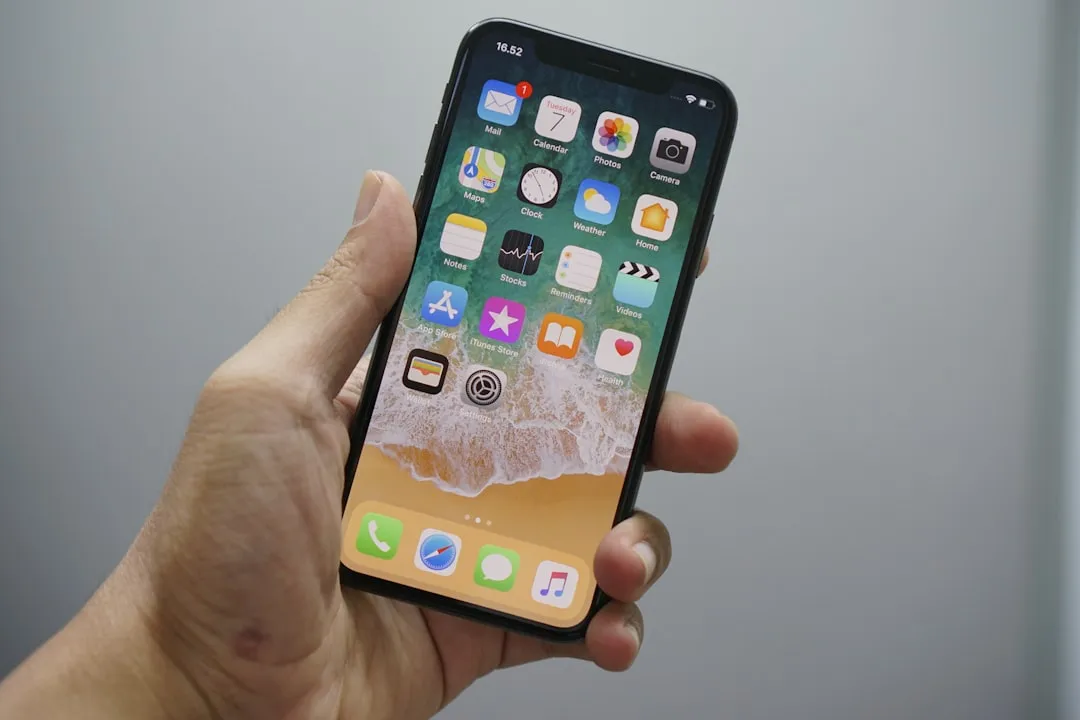
Are you thinking about changing the color of your hair, but are afraid to regret it? Hair simulation apps promise to solve this dilemma by allowing you to visualize how it would look with different shades before any permanent commitment.

Alterar Estilo e Cor do Cabelo
Osomo
The market is full of apps that claim to make perfect predictions about how you would look with a new look. However, not everything that shines is gold when it comes to image editing technology for hair. This article will unravel the myths and truths about the apps to change hair before painting, helping you make more conscious decisions about your next style change.
The Myth of Forecasting 100% Accurate
Many users believe that hair simulation applications are absolutely accurate and show exactly how the hair will look after coloring. This is one of the biggest illusions when it comes to these tools.The reality is that no app can perfectly replicate real-world variables such as the natural texture of your hair, the specific skin tone or even the lighting conditions during the professional dyeing process.
When you take a photo for the app, it mainly studies colors and shapes. However, the way light reflects on your wires, the depth of tone and the way the pigment will interact with your natural hair base are aspects that an algorithm, no matter how advanced, can not predict with absolute precision.The truth is that these applications work more as inspirational tools than as guaranteed future mirrors.
The Reality of Camera Quality and Lighting
A crucial factor that many ignore is how the quality of your phone's camera and lighting conditions affect the simulation result.If you take a photo in low light or with the lower quality camera, the application will have a weak base to do its analysis and the result will be less reliable. Most apps require well-lit photos, preferably in natural light, to function properly.
When you take the selfie for the app, you are capturing it at a specific time, with a specific lighting and at a particular angle. The hair that will be painted in a salon, however, will undergo chemical process that will change not only the color, but also the texture and brightness of the strands. Camera technology can capture your image, but it cannot simulate how the chemical pigment will behave in each strand individually.
Myth: An App Eliminates the Need to Consult a Professional
There is a dangerous belief that armed with a hair simulation application, you can dispense with consulting with a professional colorist.This is one of the biggest lies of the digital beauty market.An experienced professional does much more than simply apply paint to the hair, as he evaluates its hair base, determines which tone will work best with your skin and proposes coloring schedules to avoid damage.
The app offers an interesting initial view, but a real hairdresser can answer questions that the app will never get: "Will my hair damage with this color?", "Do I need to do a previous treatment?", "How to keep this color vibrant longer?", "What base tone would be better to start if I want to get this result?". These practical and personalized answers are impossible to get from an algorithm.
The Truth About Apps with Advanced Artificial Intelligence
The most modern applications use artificial intelligence and machine learning to improve their predictions. They are trained with thousands of before and after pictures of real colorings, which makes them significantly more accurate than the first generations of hair editing apps. This is a consolidated truth: the technology has evolved a lot and some applications actually deliver results very close to reality.
However, even these more sophisticated applications have important limitations.They work better for small changes in shades within the same color family than for radical transformations.If you want to go from very dark hair to platinum blonde, for example, the application can show the desired end result, but you will not be able to predict the multiple steps and processing necessary to get there without damaging the wires.
Myth: The Hair Color Out of the App is Identical to Reality
When you see the simulation in the application, the color looks perfect, saturated and bright. This digital visualization does not take into account how the natural color of the hair, after real chemical processes, will interact with your skin tone or how it will evolve after a few days of use with shampoos and conditioners. The real hair undergoes oxidation processes and may have variations in tone depending on how you care for it.
The truth is that many apps use filters that make colors more vibrant and pronounced than they will be in real life. Your phone's camera also has limitations on color reproduction compared to what your eye will see in person. If you want a more discreet or natural color, the app can mislead you by showing an overstimulated version of that tone.
The Importance of Considering Your Natural Hair Base
One of the aspects that few applications can evaluate correctly is how the natural base color of your hair will influence the final result. If you have very dark hair and want a lighter shade, the level of lightening needed is immense and will require multiple sessions, discolorations and intensive treatments. The application shows the result, but does not show the way that your hair will have to tread to get there.
In addition, the natural tone of your hair varies. You may have more reddish, yellowish or grayish reflections depending on how the light illuminates it. An app that analyzes your face photo may not capture this tonal complexity that exists throughout the length of your hair. So even if the result of the simulation seems correct, in practice it can be quite different when you are in different environments with varying illuminations.
Truth: Apps Are Useful as Inspiration Tools
When used correctly, apps for hair simulation are extremely valuable as tools for inspiration and communication. You can visualize several different shades in a few minutes and identify which style works best with your overall appearance. This is particularly useful when you have no clear idea which color you would like to try or when you are undecided between two options.
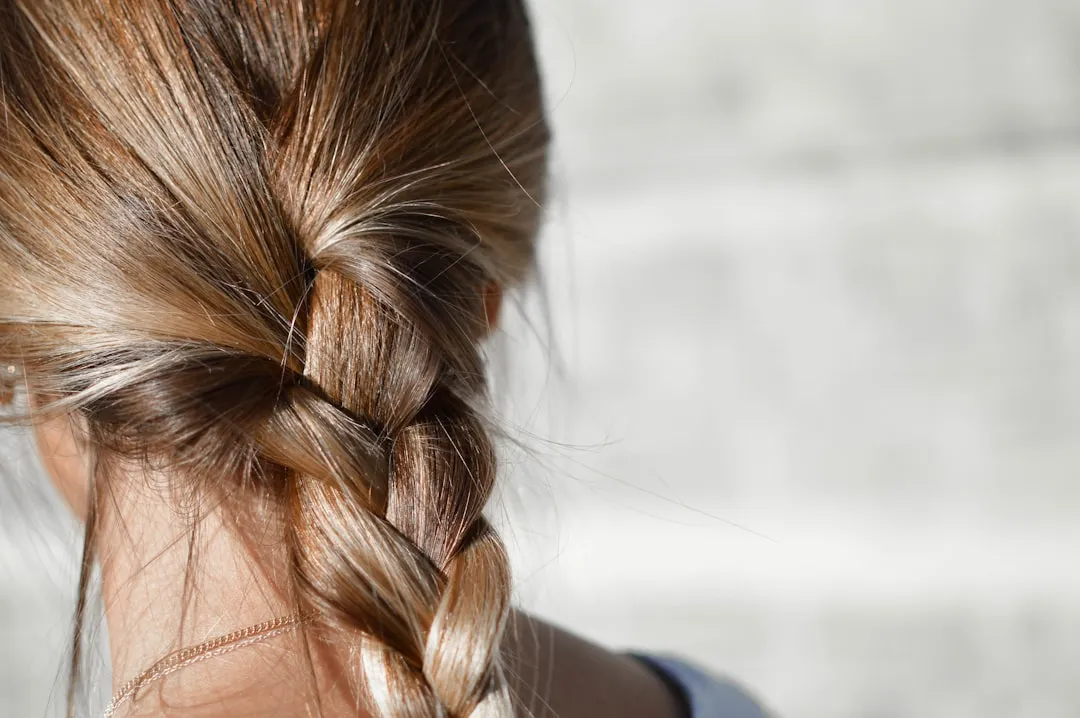
The truth is that taking the simulation of the app to the salon and showing it to your hairdresser is a smart practice. The professional can see what you have in mind and work with this visual reference. He will know how to explain the differences between what the application shows and what is really possible to achieve with your specific hair base. In this context, the app works as a great addition to the professional consultation, not as your substitute.
Comparing Different Types of Applications
There are several categories of applications for hair change. Basic photo editors allow you to simply manually paint the hair area with a chosen color, offering full control, but being very inaccurate. Apps with predefined filters limit your options, but tend to be faster and more intuitive. Apps that use facial recognition and artificial intelligence are more sophisticated, but usually require paid subscription.
Each type has its pros and cons. A manual editing app offers creative freedom, but you end up painting over the photo with no technological intelligence behind it. An AI-powered app may be more accurate, but it may not allow fine-tuning or specific changes you'd like to explore. The choice depends on your goal: do you want quick results or want to explore various possibilities in detail?
The Role of Natural vs. Artificial Lighting
One detail often overlooked is that the color of your hair looks different under natural light, yellowish artificial light or LED cold light. The application, based on a photo taken at a specific time, can not predict how that tone will look in all these scenarios. This is an important truth: the same hair tone can look completely different at home, at work and on the street.
When you are deciding on a color in the app, try to take your photos in different lighting conditions.Look at how the simulation looks both in natural light and artificial light. This will give you a more realistic perspective of how that tone will behave at different times of your day.Some more advanced applications even allow lighting adjustments, offering multiple views of the same result.
Myth: You Can Trust 100% in Hair Results with Different Structure
If you use the app and see a person with curly or wavy hair using the color you want, don't assume the result will be identical on your straight hair. The hair texture affects how the tone is reflected and how the pigment is distributed. Curly hair tends to look darker because the texture decreases the surface brightness, while smooth and shiny hair reflects more light and shows the color more vividly.
This texture difference is crucial and many apps do not consider it properly. If you want to use an app reference image, make sure that the hair texture is similar to yours. Better yet, show the image to your hairdresser and let him adjust his expectations based on your actual hair texture and not on someone with different characteristics.
The Truth About Pigmentation and Hair Porosity
Hair porosity is the ability it has to absorb and retain pigment. A very porous hair will capture the color differently than a hair with low porosity, even if both receive the same application of paint. No application can evaluate the porosity of your hair just by looking at a photo. This means that two people who appear to have the same hair color can have completely different results after coloring.
This is one of the reasons why some professional hairdressers do lock tests before coloring all the hair. They not only rely on visual appearance, but understand that the chemical and structural properties of each person's hair are unique. An app can show a visual result, but can not simulate how your specific hair will absorb and retain that pigment.
Practical Tips for Using Apps Smartly
To get the most out of a hair simulation app, start by testing several different colors and not just one. This will help you better understand which shades work best with your skin tone and which style pleases you the most. Save your preferences and take them to a consultation with a professional, explaining that these are just inspirations based on digital simulations.
Take your photos in good lighting, preferably natural light, and try different angles. This will give the application more accurate information to work. If you have very long hair, consider taking photos that also show the length and texture of the strands, not just the top of the head. The more visual information you provide to the application, the more accurate your simulation will be, although still with the mentioned limitations.
The Value of Technology Complemented Professional Consultation
The ideal approach is to combine digital technology with professional expertise. Use the application to explore possibilities, identify colors you like and gain confidence about changes you want to make. Then take these findings to a trusted hairdresser and let him assess whether that result is feasible with your hair and your hair health. The professional will know how to adjust expectations and propose realistic alternatives.
This combination of approaches offers the best of both worlds. The app offers quick and accessible visual inspiration, while the professional offers expertise, security and the ability to adapt the design to your real hair.When you can explain exactly what you want because you saw in the app, you make the hairdresser's work easier and increase the chance of being satisfied with the end result.
Keeping Realistic Expectations
The key to not being disappointed with a hair color change is to maintain realistic expectations from the beginning. Understand that an application is a visualization tool, not a crystal ball. It cannot predict all the variables involved in a process as complex as hair coloring, which involves chemistry, physics, biology and art combined.
When you see the perfect simulation in the app, remember that it is only a starting point, not a guarantee. The actual result will be influenced by how your hairdresser applies the paint, how long it leaves to act, what is the current health of your hair and how you care for it after coloring. Accepting these limitations of technology helps you to better enjoy the apps without being disappointed when the reality does not exactly match the simulation.