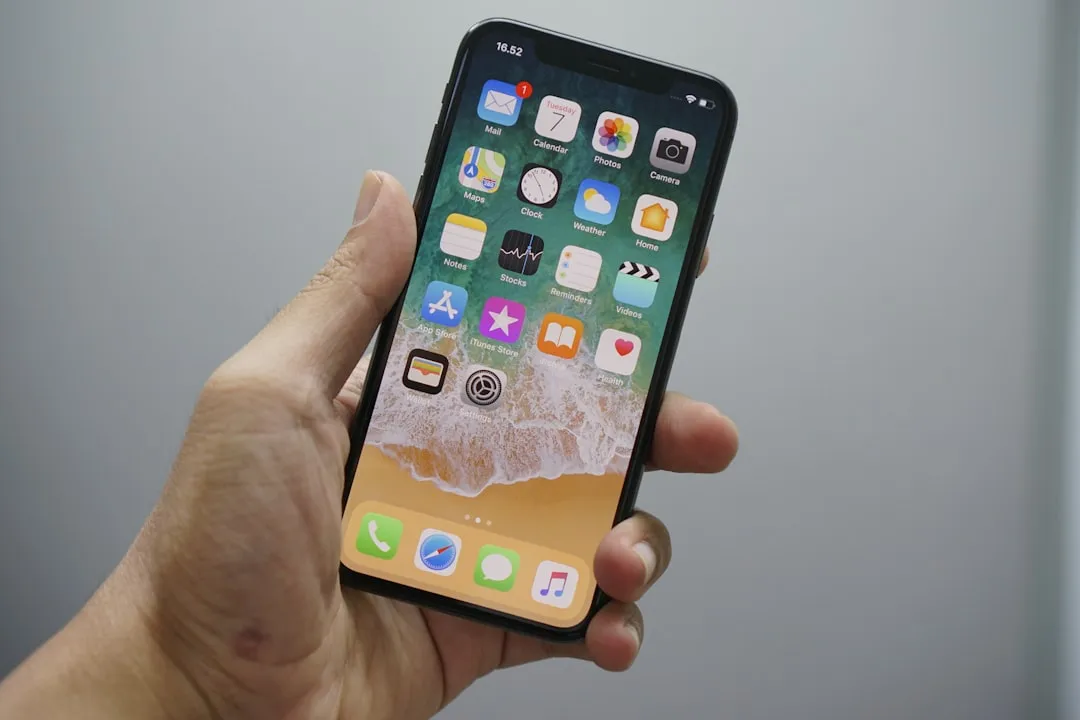
A car troubleshooting app has transformed how you care for your vehicle. Instead of taking your car to the workshop with every strange sound or light on the dashboard, you can identify faults in minutes using your smartphone.

Scanator (OBD2, Check Engine)
Antonio Villegas
Automotive diagnostic technology has come within reach of anyone, regardless of prior technical knowledge.These applications connect to your car's diagnostic system and translate error codes into plain language, saving you time and money.
How a Mechanics App Works to Scan the Car
The app connects to your vehicle's on-board computer via an OBD2 adapter, a small device that you plug into the diagnostic port located under the car dashboard. This adapter communicates via Bluetooth with your smartphone, allowing the app to access the vehicle's electronic system data.
When a fault is detected by the car computer, an error code is stored in the system memory. The mechanics app reads this code and provides a clear translation of the problem, whether it is a faulty sensor, a worn spark plug or an emissions system problem. You receive accurate information about what is happening in your car without needing costly professional equipment.
Reading happens in real time, that is, you can monitor the behavior of the car while driving. Some more advanced apps track parameters such as engine temperature, revolutions per minute and fuel consumption, providing a holistic view of the health of your vehicle. This approach allows you to identify problems before they become serious and costly.
Key Benefits of Using an Automotive Diagnostic App
Save money is the most obvious benefit, as you avoid unnecessary diagnostics and frequent visits to the workshop.Many people take the car to the mechanic by simple light warning on the dashboard, and there they find that the problem is minor and would cost a small fortune to repair. With a mechanics app, you make a pre-diagnosis and decide based on real information whether you really need to take the vehicle for repair.
Increased range is another strength, especially for those who drive frequently in remote areas. If the car fails during a trip, you can immediately identify the problem and decide whether you can continue driving safely or need to seek help.
Prevention also becomes more effective when you continuously monitor the performance of your car. Detecting an oxygen sensor failure weeks before it stops working completely allows you to schedule the repair at the most convenient time without emergencies or emergency expenses.
You also gain transparency when talking to mechanics, as you already know exactly which error code was generated. This prevents less ethical professionals from trying to convince you to make unnecessary repairs, putting you in a stronger negotiating position.The information is power, and having technical data on hand completely changes the dynamics.
Differences Between Free and Paid Apps
The free apps to scan for problems in the car offer basic features that cover the needs of most drivers. You can read error codes, turn the warning light on and off, and access general information about the diagnosis. For the average user who just wants to know what is happening with his vehicle, these options are totally enough.
Paid apps provide advanced features like real-time graphics, full problem history, predictive analytics, and detailed parametric data. Whether you're a car enthusiast or need continuous, deep monitoring, the paid version may be worth the investment.
Compatibility is a decisive factor that often differentiates free and paid apps. Some free apps only work with vehicles of a certain brand or year of manufacture, while paid versions offer universal support for virtually all models with OBD2 system. Before choosing, make sure the app is compatible with your specific car.
Which OBD2 Adapter to Choose For Your Mechanics App
The OBD2 adapter is as important as the app, because it is it that establishes communication between your smartphone and the car. There are several options on the market, from very basic models to devices with extra features. The most common adapter is the one that connects via Bluetooth, allowing wireless reading and hanging wireless.
When choosing an adapter, you should check that it is compatible with your specific app, as not all of them work with all applications. Some apps work better with certain adapter models, so it is important to research before buying. Read reviews of users who own the same car as you to ensure that it will work properly.
Adapter quality also influences read accuracy and connection stability. Cheaper adapters can present intermittent connection problems or inaccurate readings, frustrating your experience. Investing in a well-rated, well-known brand adapter saves time, frustration, and can prevent misdiagnosis.
Some adapters offer extra functionality like built-in GPS, cloud data logging, or automatic problem analysis. These additional features can be useful if you want more than just basic error code reading. Consider your specific needs before deciding which model to buy.
Practical Steps to Using a Diagnostic App For The First Time
Start by inserting the OBD2 adapter into your car's diagnostic port, which is usually under the dashboard on the left side of the steering wheel, near the pedals.You'll see a small light turn on on the adapter, indicating that you're getting power from the vehicle.Seek in your car's documentation if you have any questions about where that port is.
Then download the mechanics app on your smartphone and create an account if necessary. Open the app and look for the connection option, which is usually on the home screen. The app will ask for permission to activate Bluetooth and to connect to the OBD2 adapter you just installed.
Wait a few seconds while the app connects to the car. Once connected, you will see on the screen a list of error codes if any, or a message of "no problems detected" if the vehicle is running normally. Explore the different sections of the app to understand all the available information, such as engine temperature, fuel consumption and parameters in real time.
If you wish to delete an error code, make sure you have solved the corresponding problem before doing so. Simply deleting the code without fixing the fault will cause the warning to reappear in a few hours of driving. Only when you have repaired the problem in fact is that you should clean the system errors of the car.
Common Problems and How to Solve them
One of the most frequent complaints is the inability to connect the adapter to the app even after inserting the device into the OBD2 port. This usually happens because the Bluetooth of the adapter is not paired with the smartphone. Check the Bluetooth settings of your mobile phone, look for the adapter in the list of available devices and pair manually.
Another common situation is the app recognizing the adapter but not being able to read the car data. This may mean that the OBD2 device is not fully compatible with your vehicle, or that it needs a firmware update. Consult the adapter manufacturer's support or try reinstalling the app to resolve compatibility issues.
Some users report inconsistent readings or error codes that disappear and reappear randomly. This fluctuation may indicate an intermittent problem in the vehicle, usually related to loose connections or sensors with poor contact. In these cases, it is recommended to take the car to a professional mechanic for deeper diagnosis, as intermittent problems are more complex.
If the connection drops frequently during use, check for interference from other nearby Bluetooth devices. Smartphones, headphones, and smart watches can cause conflicts.Turn off other Bluetooth devices while using the mechanics app to ensure a stable and reliable connection to the OBD2 adapter.
Some apps consume a lot of battery from your smartphone, especially when in continuous use. This is normal for apps that need to keep Bluetooth connection active constantly. If battery life is an issue, consider keeping your phone charged or using a car charger while using the app.
Professional Tips to Get the Best Use of Your Mechanics App
Create a history of your car readings by taking notes or saving the data periodically. Tracking how parameters change over time provides a clear picture of the overall health of the vehicle and helps identify worrying trends.If a sensor starts showing abnormal values gradually, you will have time to act before it causes complete failure.
Learn what each error code means instead of relying solely on app translation. Search specific OBD2 code in specialized databases to better understand what the real problem is. Sometimes the app offers only a basic translation, while more detailed information can help you make better repair decisions.
Use the app to monitor fuel consumption during different driving conditions.If you notice a sudden increase in consumption, this may indicate a developing mechanical problem.Often this is the first clue that something is wrong before any error code even appears in the system.
Before taking the car to the mechanic, read with the app and photograph the result. Present this information to the professional to facilitate diagnosis and avoid unnecessary tests. An experienced mechanic will appreciate the data already collected and can focus his efforts on solving the specific problem.
Keep the OBD2 adapter always connected and updated with the latest firmware versions. Manufacturers release updates to improve compatibility and accuracy of readings. Connecting to your computer or smartphone periodically to update ensures you have access to the latest technology benefits.
Don't ignore error codes just because the car seems to be running normally. Some problems can compromise safety or cause progressive damage without obvious symptoms. A brake system failure, for example, may not be noticeable until it becomes critical, so always investigate any system warning.
When to Take Your Car to a Mechanic Even With the App
If the app detects code related to the brake system, airbags, or steering, look for a mechanic immediately instead of trying to repair on your own. These systems are safety critical and require professional equipment and expert knowledge.
When the error code persists even after you have tried an obvious solution, it is time to seek professional help.For example, if you receive an engine check warning after changing the spark plug, but the code does not disappear, there may be a more complex problem that requires further diagnosis with special equipment.
If the app shows multiple error codes at the same time, especially on different car systems, it is best to take to the mechanic. Simultaneous problems in several areas usually indicate a root issue that affects multiple systems, and only a professional with proper equipment can identify the true cause.
When you notice that the problem affects the performance of the car in a clear way, such as difficulty when starting, weak acceleration or engine failures, do not hesitate to seek professional help. The app provides valuable information, but does not replace the experience of a mechanic who can evaluate aspects that do not appear in the error codes.
Intermittent problems that cause occasional error codes are difficult to diagnose with app alone, as they require testing under specific conditions that a professional can reproduce in a workshop. In such cases, the app helps confirm that something is wrong, but the mechanic is needed to find the true cause.
Use the app as an information tool, not as a substitute for a professional. The technology offers valuable insights, but complex diagnostics, mechanical repairs and jobs involving structural components should always be done by qualified people with formal training and appropriate tools.