An automotive scanner app transforms the way you care for your vehicle. It reads engine error codes in seconds and delivers accurate diagnostics, saving you time and money in workshops.

Car Scanner ELM OBD2
CAR SCANNER LLC
Before investing in an automotive diagnostic app, you need to understand how it works, what features really matter, and how to choose the best option for your car. This handy guide details everything you should know before you start.
How an Automotive Scanner App Works
An automotive scanner app connects to your vehicle's on-board computer via an OBD-II (On-Board Diagnostic) adapter. This physical adapter, usually the size of a thumb drive, fits into the diagnostic port located under the car dashboard. When connected, the app accesses data stored by the vehicle's electronic system and transmits the information to your smartphone or tablet.
The technology behind it works through standardized communication protocols that allow any compatible device to talk to the car's computer. The fault codes, also known as DTC (Diagnostic Trouble Code), are then translated by the app into readable language so that you understand exactly what the problem is. A lit check engine light, for example, can mean anything from a faulty oxygen sensor to more serious problems in the catalyst.
Key Features You Should Look For
When choosing an automotive scanner app, some features stand out in importance and effectiveness. The reading of fault codes is the basics, but more advanced applications offer error cleaning, real-time data visualization and detailed history of detected problems.You also find apps that show graphics of engine readings, allowing you to track the behavior of the vehicle while driving.
The compatibility of the app is absolutely critical to its success. Not all apps work with all OBD-II adapters available in the market, and not all car brands are supported equally well.Make sure the app supports your vehicle's connection standard, whether by Bluetooth, WiFi or USB. More robust apps include support for multiple international brands, while others specialize in domestic or certain manufacturers' vehicles.
Essential Checklist Before Using an App Scanner
Before you start using an automotive diagnostic app, you need to perform some fundamental checks to ensure that everything will work properly. This checklist helps you prepare properly and avoid unnecessary frustrations during the diagnostic process.
Start by checking that the OBD-II adapter is in perfect working order. Look for visible signs of damage such as loose connectors, corrosion or cracks in the housing. If you find any irregularities, replace the adapter before proceeding. Connect the adapter to the diagnostic port of your vehicle and confirm that the indicator LED lights up, showing that it is receiving power correctly.
Make sure the app is installed on a compatible device. Check the minimum operating system, RAM and available storage space requirements. Heavier apps require a lot of phone resource, so ensure your device meets the requirements before installing. Test Bluetooth or WiFi connectivity between the adapter and the smartphone before using the app for the first time.
Clean the vehicle OBD-II port carefully with a dry, soft cloth. Accumulated dust and debris can interfere with communication between the adapter and the car system. Improper contact causes incorrect readings or connection failures that waste your time. Insert the adapter hard enough to ensure a safe connection, but without straining too hard and damaging the port.
Make sure the vehicle battery is in good condition and fully charged. A weakened electrical system can cause unstable readings or prevent the car computer from properly communicating with the adapter.If the battery is more than three years old, consider testing it in a workshop or auto parts store before using the scanner.
Open the application and run a connection check or communication test, usually found in the settings menu or tools. This action confirms that the app can communicate with your vehicle's computer without problems. Some apps automatically show basic vehicle information, such as VIN, model and displacement, allowing you to check if you are connected to the correct car.
Write down or capture a screenshot of the current state of the system before you start any diagnostics or code cleaning. Having a record of the original state allows you to compare afterwards and evaluate improvements made. This record also becomes useful in case you need to take the car to a professional workshop later.
Make sure the car is parked in a safe place with the engine off during the initial installation of the adapter. Some checks and readings can be done with the engine off, but others require you to start the vehicle. Ensure that you have enough room to maneuver if you need to get into the car to start the engine during diagnosis.
Make sure your app offers regular crash code database updates. Outdated apps may not recognize the latest codes or vehicle specifications released recently. Turn on auto-update notifications if available, or set up a reminder to manually check each month.
Differences Between Free and Premium Apps
The automotive scanner app market offers options for every budget, from completely free tools to premium apps with advanced features. Knowing the differences helps you make an informed decision about which investment makes sense for your needs.
Free apps usually offer basic features like fault code reading and simple error cleaning.They work well for initial diagnostics and help identify common issues affecting most cars. However, the interface is often less intuitive, the response speed can be slow, and the code database may be outdated. Many free apps also include intrusive ads that disrupt the user experience.
Premium apps eliminate most of these limitations and add sophisticated functionality. You gain access to real-time data readings, detailed engine behavior charts, complete maintenance history, and priority customer support. Premium apps update your database more frequently, including new model-specific fault codes and reemergencies of common issues in certain manufacturing years.
The quality of translation and explanation of codes significantly differentiates between free and paid versions. A premium app describes not only what the code means, but also offers information on possible root causes, severity of the problem and recommended actions.Some premium apps even include video tutorials showing how to fix specific problems by becoming a personal instructor in your pocket.
Practical Step by Step to Diagnose Your Vehicle
After completing the preparation checklist, you are ready to use the automotive scanner app effectively.Following a logical sequence ensures that you collect all the necessary information and correctly understand the results obtained.
Launch the app and wait for it to fully load. Go to the settings menu and select the option to connect to the OBD-II adapter. Some apps perform this automatically when detecting the nearby adapter, while others require a manual Bluetooth pairing or WiFi connection selection. Confirm that the connection has been successfully established before proceeding to the actual diagnosis.
Access the fault code reading function from the main menu. The app then communicates with the vehicle computer and returns a list of all stored codes, whether activeS or historical. Active codes indicate current problems affecting the operation of the car, while historical codes show faults that occurred before but that the system still remembers.Examine both lists to get a complete view of the vehicle status.
Select each code individually to read the full explanation provided by the app. Understand which car system is affected, what the specific problem is and how severe it is. A P0300 code, for example, refers to multiple ignition failures detected, while a P0442 indicates small leakage in the steam system. The contextualized explanation helps you prioritize which problems to address first.
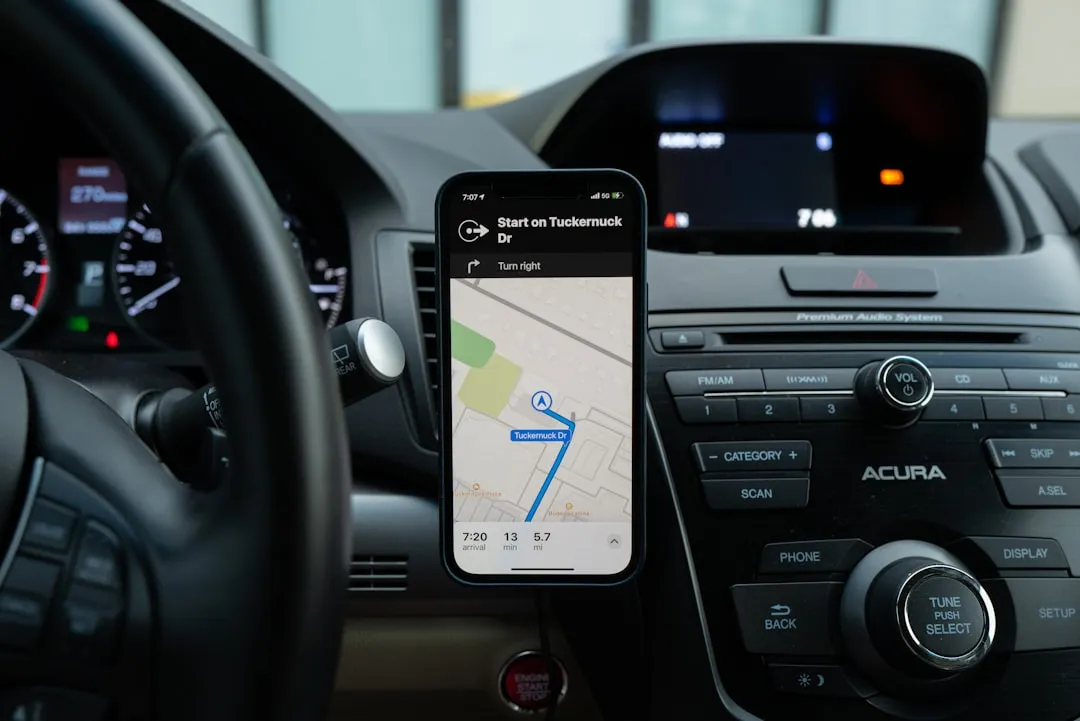
If the app offers real-time data reading, enable this functionality and observe the specific parameters related to the codes found. Speed up the engine slightly while monitoring how the values change, looking for anomalies or readings that are not expected. For example, if a code refers to oxygen sensor, note whether the sensor reading oscillates normally or remains static as a sign of malfunction.
Compile a list of the codes found with your explanations and hold a photo or note in a document. This record allows you to compare with future inspections and assess whether the problems are getting worse or better. If you decide to take the car to a workshop, share this list with the mechanic to help you diagnose faster.
Interpreting Results and Understanding Failure Codes
Correctly interpreting the results returned by the automotive scanner app requires basic understanding of how the vehicle diagnostic system works.Failure codes follow an international standard that allows anyone to understand the overall meaning, although specifics vary by manufacturer and year of the car.
Each code starts with a letter followed by four numbers, such as P0420 or U0100. The letter indicates which system is affected: P for powertrain problems, C for chassis problems, B for body or bodywork problems, and U for communication network problems. The four numbers specify the exact circuit and type of failure within that system, creating a unique identifier for each possible problem.
Not all codes indicate serious problems that prevent the operation of the vehicle. An engine query code such as P0171 can simply mean that the fuel system is a little rich, something that can be corrected by adjusting the car's computer. On the other hand, codes such as P0700 or P0600 indicate transmission or communication problems that require immediate professional intervention.
Repeating a specific code over time suggests a recurring problem that needs attention.If you clean up a code and it returns days later, this indicates that the root cause has not been resolved. Investigating persistent code requires deeper diagnosis, often requiring expertise from a certified mechanic with more advanced diagnostic equipment than a simple app can offer.
Limitations You Need to Know
While automotive scanners are powerful tools, they have significant limitations that you should know before you fully depend on them. Understanding these restrictions avoids frustration and ensures that you use the technology appropriately for your situation.
Apps scanners do not diagnose non-electronic mechanical problems. If your car is experiencing suspicious engine noise or abnormal vibrations, the scanner will not detect anything because these problems do not affect the sensors or computer of the vehicle. These symptoms still require physical inspection by a mechanic who can listen, observe and palpate the engine to find the cause.
Diagnostic accuracy depends on the quality of the OBD-II adapter and the app database.Cheap adapters can provide inaccurate or inconsistent readings, leading you to erroneous conclusions about the state of the vehicle. Apps with outdated database may not recognize specific codes of new vehicles or offer incorrect interpretations that mislead you about the severity of a problem.
Not all car systems accessible through the OBD-II port can be completely diagnosed by a common app. Sophisticated systems such as automatic transmission, ABS brakes and airbag often have proprietary computers that require specialized diagnostic tools only available to authorized workshops. A basic app may indicate that there is a problem with these systems, but will not provide sufficient details for correction.
Very old or very new cars may have limited compatibility with scanners. Vehicles before 1996 may not have an OBD-II port or may use a different standard that the adapter does not support. On the other hand, very new cars may have security protections that prevent full reading of data through OBD-II adapters of the consumer market.
Keeping Your Vehicle with Scanner Data
Using an automotive scanner app regularly turns you into a proactive maintenance manager for your car. Instead of waiting for a problem to manifest dramatically while driving, you identify small faults when they are still simple to fix and cost-effective.
Establish a monthly or quarterly scan routine with the scanner app. This frequency is enough to identify emerging problems without creating false alarmism caused by occasional readings that disappear on their own.Some intermittent problems only appear under certain driving conditions or temperature, so regularly review allows you to capture these patterns when they emerge.
Document each check with date, found codes and relevant data readings. Keeping this history allows you to identify troubling trends and prioritize issues that gradually worsen. A steady increase in the reading of detected emissions suggests that a catalyst is aging and will need replacement soon, allowing you to prepare financially and schedule repair at the most convenient time.
Share scanner data with your trusted mechanic for second opinions on identified issues. An experienced professional can validate whether a specific code really indicates the problem the app suggests or is a symptom of something different. This collaboration between technology and human expertise offers the best of both worlds in automotive maintenance.
Use the collected data to argue with insurer in case of dispute over vehicle problems. If the car started to exhibit sensor faults shortly after purchase and you have scanner records showing when the problem started, this provides objective evidence for warranty claims or factory defects.
Final Checklist of Good Practices
To maximize the value you get from an automotive scanner app, look at this checklist of best practices that consolidate everything discussed earlier in this guide. These recommendations turn an app into a genuinely useful tool rather than a simple gadget that bored after a few uses.
Keep the OBD-II adapter clean and protected when not in use. Store in a dry and safe place, away from excessive humidity or drastic temperature changes. A well-groomed adapter works reliably for years, while carelessness can damage it in months. Inspect the connectors periodically looking for signs of oxidation and gently wipe with dry cloth if necessary.
Regularly update the app code database, preferably every month. New codes are added as manufacturers release new models and versions, and old databases leave you in the dark about recent vehicle-specific issues.Apps that automatically update eliminate the need to remember to do this manually, giving you a better overall experience.
Learn to differentiate between problems you can solve on your own through the app and those that require professional.Something like gasoline cap tightening that causes false fuel leak reading is DIY, while transmission failure is clearly professional. Knowing its limits protects you from trying repairs that damage the car irreversibly.
Test the scanner app in your home before facing an emergency on the road.You do not want to find out that something does not work when you are inside a traffic jam with the engine flashing. Familiarize yourself with the interface, learn where all the important menus are and practice connecting and disconnecting the adapter several times until it is quick and easy.
Never blindly rely on a single fault code to make costly repair decision.Search for multiple sources of information, consult forums of owners of your specific car model and get estimates from multiple workshops before spending significant money.